

Right across the state line
Lansing sits just across the Illinois line from Munster, so a call from Lansing is a short hop for us. We cross the state line every day. Same crew, same rules: a real person answers at any hour, the repair gets quoted first, and the price is on paper before any work starts.
Lansing sits right next to Munster, so the tech who fixed a furnace on the Indiana side this morning could be in your basement this afternoon. The only thing that changes is the gas company you’d call in an emergency. More on that below.
When everything works except the flame
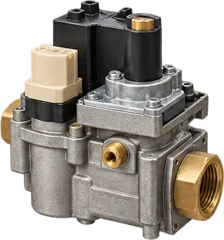
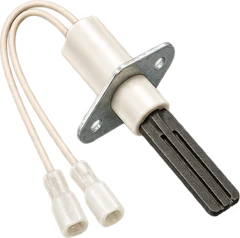
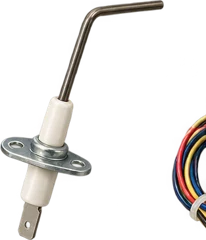
One no-heat call goes like this. The inducer runs, the igniter glows bright orange, and then nothing. No flame. The furnace tries a few times and locks out. When the igniter and pressure switch check out fine, the next suspect is the gas valve. It gets the signal to open and doesn’t, or opens weakly.
We test it with a meter before we call it. Gas valves aren’t the cheapest part, so we want to be sure. We also make sure the gas supply is on and the shutoff at the furnace is open, since that’s a free fix when it’s the problem. A gas valve is a safety part, so we don’t clean or rebuild them. A bad one gets replaced, and we leak-check every fitting we touched before we leave. Our article on why a furnace won’t light walks through the whole sequence.
The price comes first
Before we touch the valve, or anything else, you get a flat-rate repair price in writing. You say yes or no. If yes, the bill matches the paper. If no, you pay the diagnostic fee we told you about on the phone. Illinois or Indiana, the paperwork is the same.
Lansing homes
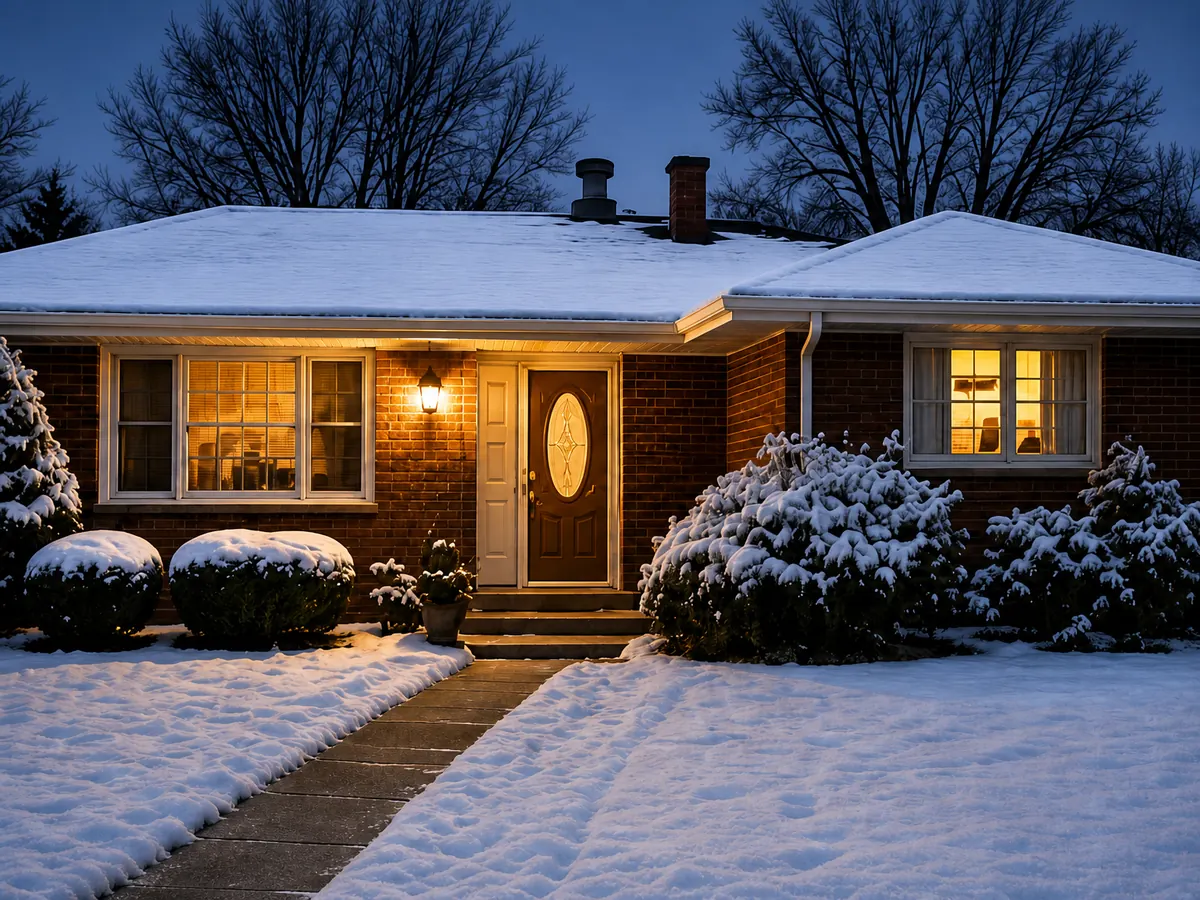
Much of Lansing is mid-century brick: bungalows and ranches with basement furnaces, many on their second or third furnace by now, plus newer homes toward the edges of town. The duct systems in older houses were sized for the furnaces of their day, and a newer furnace on old ductwork can run hot, trip limit switches or short cycle. We check for that when it matters to the repair. We also look at the flue. An older chimney that once vented a big furnace can be oversized for a newer one, and that can cause draft trouble.
What to have ready when you call
- What the furnace does when the thermostat calls for heat.
- Whether you hear the inducer, see the igniter glow, or see any flame.
- Any light code on the control board.
- The best way in, especially if the furnace is behind a finished basement wall.
Signs it’s time to call
- The igniter glows but no flame follows.
- The furnace clicks, tries and locks out.
- Warm air for a few minutes, then cool air.
- The furnace starts and stops every few minutes.
- A blinking light code on the control board.
Any one of those is worth a call. Two or more together usually means a part is on its way out.
No commission, no pressure
Our techs aren’t paid on commission. A furnace with a bad gas valve and a sound heat exchanger gets a new gas valve. If the furnace has bigger trouble, we show you what we found, with the repair price and the replacement price on the same sheet. You make the call. We’d rather fix your furnace and see you again for a tune-up than sell you something you didn’t need. For the bigger picture, read whether a 15-year-old furnace is worth fixing.
Gas smell on the Illinois side
If you smell gas, leave the house and call 911 or your gas company from outside. In Lansing that’s your Illinois gas utility, not NIPSCO, so check your bill for its emergency number and keep it handy. If a carbon monoxide alarm sounds, get out and call 911.
Heat out in Lansing? Call (219) 555-0142. We also work in Munster and Calumet City. Read how every visit works on our furnace repair page.