
The honest version of the heat pump pitch
You’ve probably heard a lot about heat pumps lately. Some of it is true. A heat pump moves heat instead of making it, so on a mild day it can heat a house using far less energy than burning gas or running electric strips. It cools in the summer, too, the same way a central air conditioner does. For a lot of homes, that’s a good deal.
Here’s the part the ads tend to skip. Northwest Indiana winters are not mild. Lake-effect cold snaps can sit in the single digits for days, and wind off Lake Michigan makes it feel worse. Every heat pump has a point where it can’t pull enough heat from outdoor air to keep up on its own. Newer cold-climate models push that point much lower than older ones did, but the point still exists. So the real question isn’t “heat pump or not.” It’s “heat pump, and what covers the coldest nights?”
We repair heat pumps and we install them. We’ll tell you straight when one fits your house and when it doesn’t.
How a heat pump handles a Lake County winter
A heat pump pulls heat from outdoor air, even cold air, and pumps it inside. As the temperature drops, it has to work harder for less heat. At some outdoor temperature, which depends on the model and the house, it can’t keep up alone. That’s where backup heat comes in. There are two common setups around here.
Heat pump with electric backup
The indoor air handler has electric heat strips that kick in when the heat pump falls behind. It works, and it’s simple. But electric strips are expensive to run, and on a long cold stretch they can run a lot. If your electric bill jumped in January and you have a heat pump, the strips are the first thing we’d look at.
Dual fuel: heat pump plus gas furnace
The heat pump sits outside where an AC condenser would, and a gas furnace stays inside. The heat pump handles spring, fall and the milder winter days. When it gets truly cold, the system switches to the furnace. Most homes in our area already have gas, so this setup is common here. It’s the arrangement we recommend most often for Lake County houses, especially when the AC is due for replacement anyway.
If you’re weighing the choice, our article on heat pump or furnace for an Indiana winter goes through the tradeoffs without a sales angle.
Heat pump repair
Heat pumps have everything an air conditioner has, plus a few parts that only matter in heating mode. Here’s what we fix most.
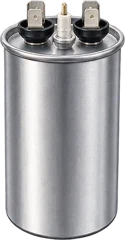
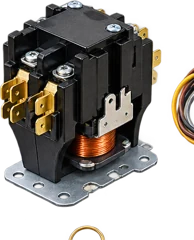
- Capacitors and contactors. Same as on an AC. A heat pump runs all year, so these parts see twice the hours.
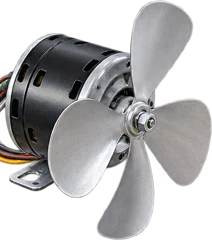
- Outdoor fan motors. They run in summer and winter. Worn bearings mean a slow or stopped fan.
- Defrost problems. In winter the outdoor coil frosts over, and the unit periodically runs a defrost cycle to melt it. If the defrost board or sensor fails, the coil turns into a block of ice and heating falls off fast.
- Reversing valves. This valve switches the system between heating and cooling. When it sticks, you get cool air in heat mode or warm air in cool mode.
- Backup heat that never shuts off. Bad thermostat settings, a failed outdoor sensor, or a heat pump that’s quietly stopped working can leave the strips or furnace carrying the whole load.
- Refrigerant leaks. A sealed system shouldn’t lose charge. If it’s low, there’s a leak, and we find it rather than top it off and hope.
Same rules as every Porchlight call: a person answers, you get the diagnostic fee up front, and the repair price is written down before anyone touches a tool. Our techs aren’t on commission, so we won’t turn a stuck defrost sensor into a new system.
“Is that steam normal?”
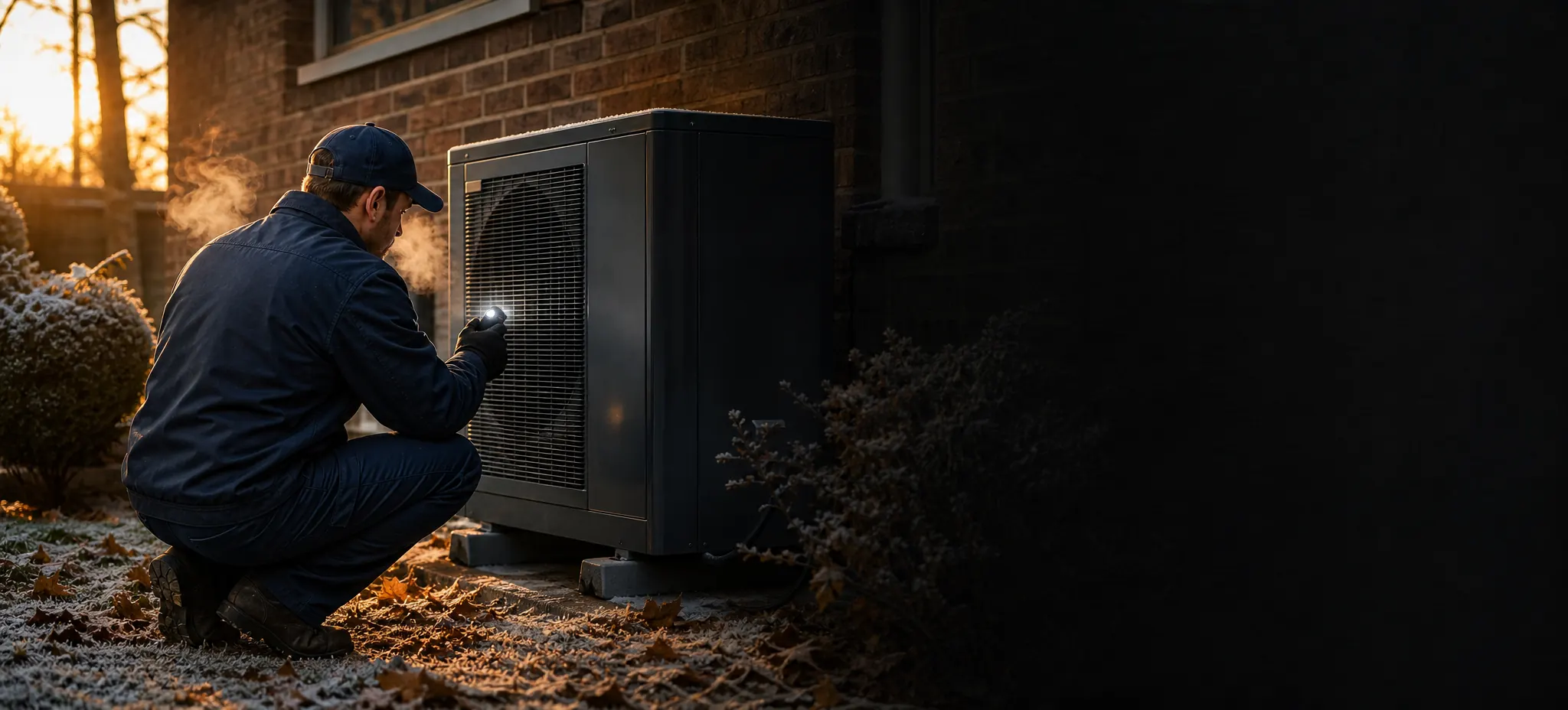
Probably. During a defrost cycle, the outdoor unit may stop its fan, make a whoosh, and put out a cloud of vapor. On a frosty morning it can look alarming. That’s the coil melting its own ice, and it usually lasts a few minutes. What isn’t normal: a unit encased in solid ice, a fan that won’t run, or a defrost cycle that seems to run constantly. Those need a look.
Installing a heat pump
We start with the same thing we start every quote with: what you have now. If your furnace is healthy and your AC is too, there may be no reason to change anything this year. If the AC is on its way out, a heat pump can be the replacement, paired with the furnace you already own.
When we do quote one, we size it to the house, not just the square footage. We look at insulation, windows, ductwork, and how the house loses heat on a windy January night. We’ll talk about cold-climate models and whether the extra cost makes sense for you. And we’ll be clear about where the backup heat comes from and roughly how often it will run.
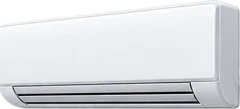
For older homes without ducts, a ductless mini-split heat pump can heat and cool a few rooms, or an addition, without tearing into walls. In many houses it works best as a helper to the main heating system rather than the only heat.
The Department of Energy’s Energy Saver site has solid, neutral background on how heat pumps and dual-fuel systems work if you want to read up before we talk.
Who a heat pump fits, and who it doesn’t
- Good fit: your AC is failing, your furnace is healthy, and you want lower heating costs in the shoulder seasons. Dual fuel usually makes sense here.
- Good fit: a room addition, sunroom or finished attic the main system doesn’t reach well.
- Think it through: an all-electric home relying on strip heat for backup. It works, but plan for higher bills in a deep cold snap.
- Probably not now: a working furnace and a working AC with years left in both. There’s no reason to replace good equipment on our account.
Heat pump went down on a cold night?
If the heat pump quits and the backup heat is running, the house should stay warm, just at a higher cost, so it’s usually not an emergency. If nothing is heating the house, call us. Meanwhile, check the thermostat mode, the breakers for both the outdoor unit and the air handler, and the filter. Our guide to what to check when the heat goes out at night covers the basics.
Where we work on heat pumps
We service and install heat pumps about 20 miles around Munster, including Highland, Hammond, Dyer, Schererville, St. John, Crown Point, Merrillville, Hobart, Cedar Lake, and Lansing and Calumet City in Illinois. The full list is on our service area page. If you have a gas furnace with a problem, go to furnace repair. For cooling-season trouble on a straight AC, see AC repair.
Talk to a person
Call (219) 555-0142, day or night. Tell us what the heat pump is doing, or what you’re thinking about installing. We’ll give you a straight answer, and any price will be on paper before we start.