
No heat in Dyer? Take a breath. We’ve got it.
A lot of Dyer households are young families in their first or second house, and for some of them this is the first winter the furnace has ever quit. It’s usually at night. It’s usually cold. And the furnace is a metal box nobody explained when you closed on the house.
Here’s the short version of what happens next. You call. A real person answers, day or night. We ask what the furnace is doing and tell you what the visit costs. A tech comes out, finds the failed part, and writes the repair price down. You say yes or no. That’s it.
What to do in the first ten minutes
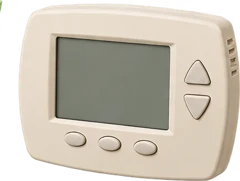
- Check the thermostat. HEAT mode, set above room temperature, batteries fresh.
- Look at the filter. A packed filter can shut a furnace down. Replace it if you have a spare.
- Find the power switch. It looks like a light switch on or near the furnace. Make sure it’s on.
- Listen. Clicking, humming, a whir that stops? Tell us when you call. It helps.
- Keep everyone warm. Close doors to unused rooms and bundle up the kids. A space heater is fine if you keep it clear of anything that can burn.
If you smell gas, skip all of that. Get out of the house and call NIPSCO or 911 from outside. If a carbon monoxide alarm goes off, leave and call 911.
That hum before the burners light
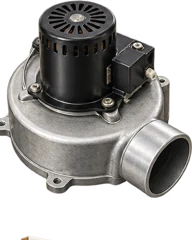
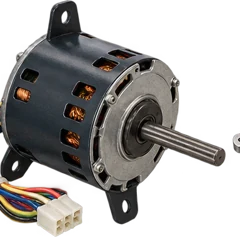
One call we see often: the furnace starts, you hear a low hum or a whine from the basement, and then nothing lights. That noise usually comes from the inducer motor, a small fan that pushes old air out of the flue before the burners fire. The furnace won’t light until a pressure switch confirms the inducer is doing its job.
When the inducer’s bearings wear out, it slows down, gets loud, and the pressure switch never closes. The furnace waits, tries again, and eventually locks out. Replacing an inducer motor is a real repair, but it’s a repair. It isn’t a reason to buy a new furnace.
Newer house, same honest answer
Some of the newer subdivisions around Dyer have furnaces that are only a few years old. They still break. Motors wear, sensors get dirty, boards fail. A failed part on a young furnace should be fixed, and we’ll say so.
On older furnaces, we give the same straight answer. “It’s 15 years old” is not a diagnosis. Our techs are not paid on commission, so they don’t gain anything from a replacement. If the repair would cost more than the furnace has left in it, you’ll see the repair price and the replacement price side by side. You choose.
What to tell us when you call
You don’t need to know HVAC words. Just tell us what you see and hear. Is the furnace silent, humming, or clicking? Does the fan run? Is there a light blinking on the board behind the lower door? How old is the house, roughly? Those answers help the tech bring the right parts, which means fewer trips and a smaller bill. If you have kids or older parents in the house and it’s getting cold, say so. We’ll talk you through keeping everyone warm while we head over.
Price on paper, every time
Before any tool comes out, the repair price is written down and agreed. You approve first. The final bill matches the paper. If a part has to be ordered, we tell you before we leave and what we can do to keep the house warm in the meantime.
Heat out tonight? Call (219) 555-0142. Not an emergency? Use the form below. Want to read up first? Try what to check when the heat goes out at night. We also cover furnace repair in Schererville and furnace repair in St. John, plus the rest of our service area. More on how we work is on the main furnace repair page.