

Hammond furnace repair, straight answers
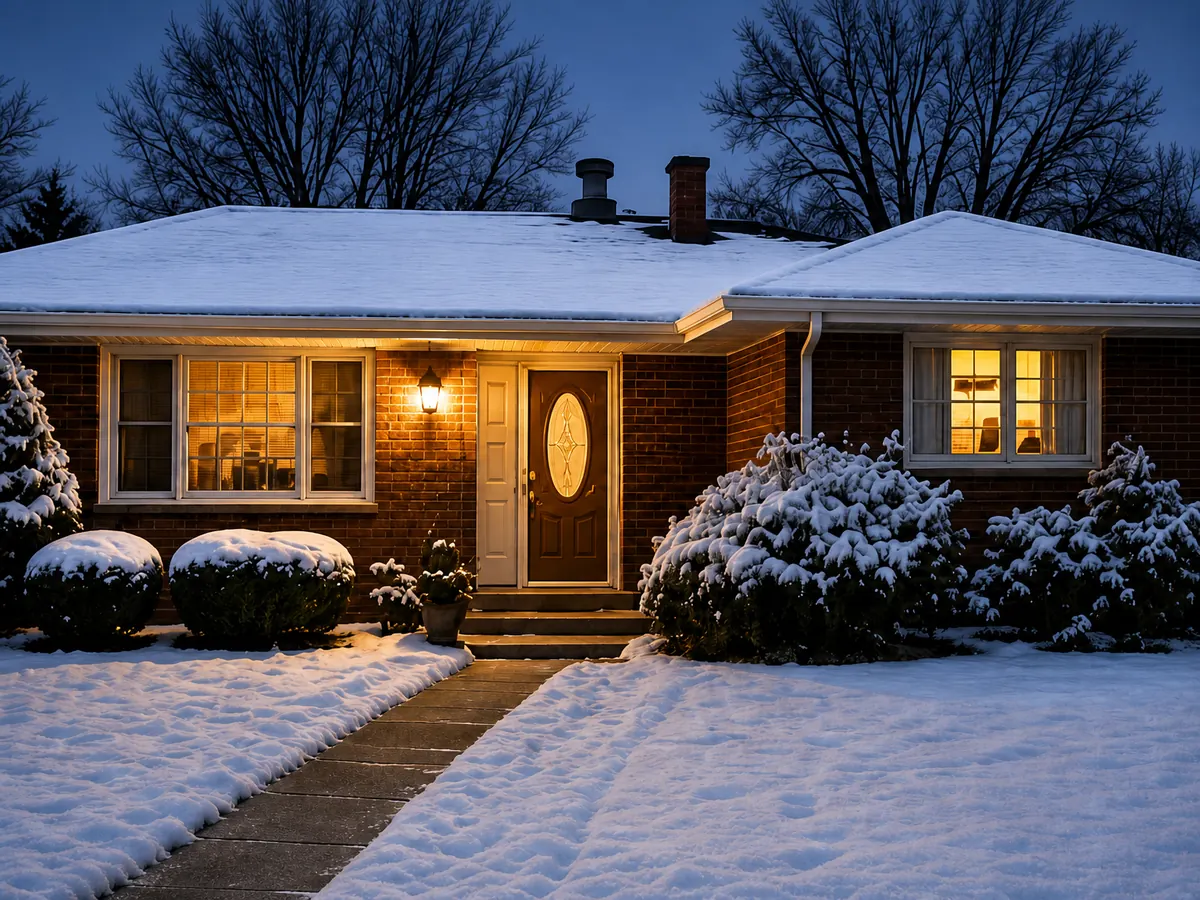
Hammond sits right on the Chicago line with Lake Michigan to the north, and in January the wind off the lake doesn’t let up. A lot of the housing here is older: brick bungalows, two-flats, frame houses with basements that have seen three or four furnaces come and go. The furnace might be fifteen years old. The ducts it’s pushing air through might be seventy.
That matters when something breaks. An older house with original ductwork can make a perfectly good furnace work too hard. So when we come out, we don’t only look at the furnace. We look at how air gets in and out of it.
When the furnace keeps shutting itself off
Here’s a call we get a lot in Hammond. The furnace lights, runs for three or four minutes, shuts off, sits, then starts again. The house never quite warms up. Usually the high-limit switch is doing its job. It senses the furnace getting too hot and cuts the burners.
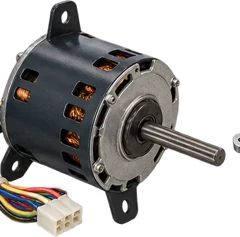
Why too hot? Most often it’s airflow. A clogged filter, a closed return, a blower that’s slowing down, or a duct system that was never sized for the furnace that’s in there now. Sometimes the limit switch itself has tripped so many times it’s worn out. We test both, fix what’s actually wrong, and explain it in plain words. Our write-up on why a furnace keeps turning on and off covers the same ground if you want to read ahead.
Signs to watch for
- Runs in short bursts and never reaches the set temperature
- Warm air near the furnace, cool air in the far rooms
- A burning-dust smell that lasts more than a day into the season
- Clicking, rumbling or a squeal from the blower
- A blinking light on the control board that wasn’t there before
Price on paper before any work
When you call, a real person answers, day or night. We tell you the diagnostic fee before we come. After the tech finds the problem, the repair price gets written down, and nothing starts until you say yes. The final bill matches the paper. No surprise line items.
What we look at in an older Hammond house
Beyond the furnace itself, we check the return air, the supply runs to the far rooms, and the flue where it meets the chimney. Older homes sometimes have a new furnace connected to an old chimney liner, or a return that was partly closed off during a remodel. Those details decide whether a limit switch keeps tripping. We point them out, tell you which ones matter now, and which ones can wait. You won’t get a list of fifteen upsells. You’ll get the two or three things that actually affect your heat.
For landlords with doubles and two-flats
If you rent out a unit in Hammond, a no-heat call is stressful on both ends. We can set the visit with your tenant, send you the written price for approval, and keep you in the loop from there. You approve the work, not the tenant, and not the tech.
Old furnace, not a dead furnace
Age is the easiest thing in the world to sell against. “It’s 15 years old” is not a diagnosis. We check the heat exchanger, burners, venting and safety controls. If they’re sound, we quote the repair. Our techs aren’t on commission, so there’s no reason for them to tell you otherwise. When a repair truly doesn’t make sense, you see both prices side by side.
If you smell gas
Leave the house first, then call NIPSCO or 911 from outside. If a carbon monoxide alarm sounds, get everyone out and call 911. Don’t try to relight anything.
No heat right now? Call (219) 555-0142. Otherwise, send the quote form below. We also cover furnace repair in Whiting and furnace repair in East Chicago, and you can see every town on our service area page or go back to furnace repair.