

Highland furnace acting up? Here’s how we handle it.
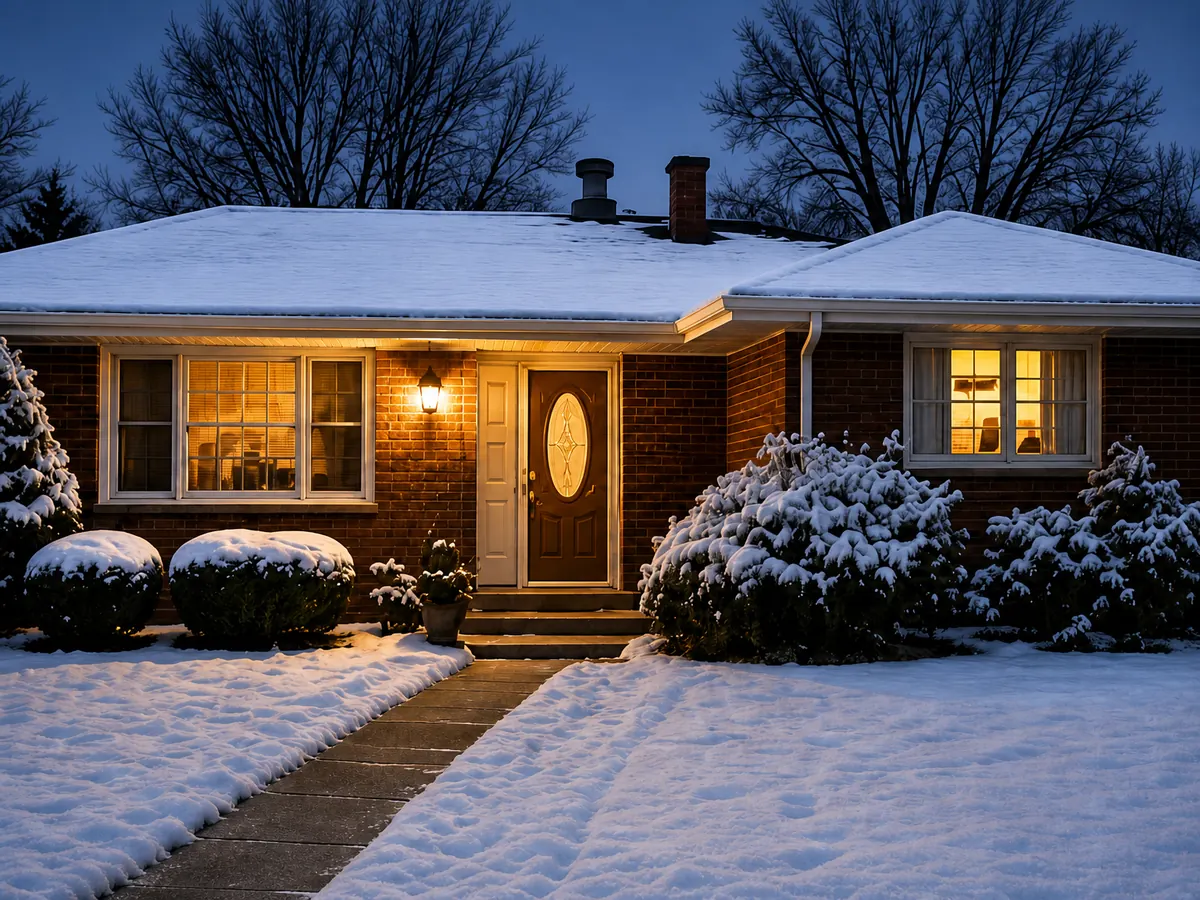
Plenty of Highland houses were built in the years after World War II and into the 1960s, and a lot of them are ranches. That usually means the furnace is somewhere awkward: under the house in a crawlspace, behind a louvered door in the hallway, or wedged into a corner of a small basement. None of that scares us. It just means we bring a good light and knee pads.
When you call, a real person answers. We ask what the furnace is doing, tell you what the visit costs before anyone drives over, and get a tech headed your way. Once we’re there, the job is simple to describe: find the part that failed, write down what it costs to fix, and wait for your yes.
The furnace that lights and then gives up
The most common call we get in the older ranches around Highland goes like this. The thermostat calls for heat, the inducer starts, the burners light, and ten seconds later everything shuts off. Then it tries again. After a few tries it locks out and the house keeps getting colder.
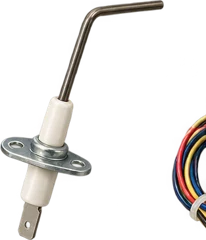
That pattern points to the flame sensor more often than anything else. The sensor is a small rod that sits in the burner flame and tells the control board the gas actually lit. Over a few seasons it picks up a film, and the board can’t read it anymore. Cleaning or replacing it is a small job. It is not a reason to buy a furnace. If you want to read more first, we wrote up why a furnace won’t light or stay lit.
Three things to check before you call
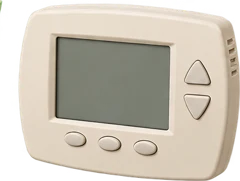
- The thermostat. Set to HEAT, set a few degrees above room temperature, fresh batteries if it uses them.
- The filter. Pull it out and hold it up to a light. If you can’t see through it, swap it or run without it for an hour while you wait.
- The switch. Most furnaces have a light-switch-style power switch nearby. In a crawlspace it’s often at the access hatch. Make sure it’s on.
If those are fine and there’s still no heat, stop there and call. Don’t pull panels or reset the board over and over. Repeated resets can hide the actual problem.
Why we quote the repair first
You may have heard it before: the furnace is 15 or 20 years old, so it’s time. We don’t work that way. Age alone is not a diagnosis. A furnace with a dirty flame sensor needs a clean flame sensor, whether it’s four years old or twenty-four.
Our techs are not paid on commission. They have no reason to talk you into a new system. Replacement only comes up when the repair would cost more than the furnace has left in it, and when it does, you see the repair price and the replacement price on the same sheet of paper. You make the call.
How the visit goes
- Diagnostic fee first. We tell you what it is on the phone.
- Testing. The tech runs the furnace through a full cycle and checks the safeties, not just the obvious part.
- Show and tell. We show you the failed part, or a photo of it if it’s under the house.
- Price on paper. The repair price is written down and agreed before a wrench turns.
Other parts we see fail in Highland
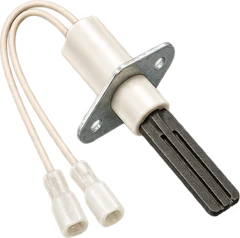
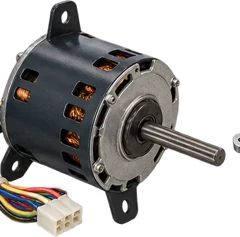
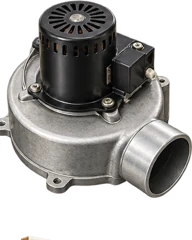
After flame sensors, the next most common culprits are cracked igniters, worn blower motors and thermostats with loose wiring. Crawlspace furnaces pick up more dust and damp than basement units, so filters clog faster and blower motors work harder. If you’ve got a furnace under the house, change the filter more often than the package says. It’s the cheapest repair there is.
Safety first
If you smell gas, leave the house, then call NIPSCO or 911 from outside. If a carbon monoxide alarm goes off, get everyone out and call 911. We’ll come after the house is safe.
Heat out right now? Call (219) 555-0142. Not urgent? Fill in the quote form below. Neighbors nearby can see furnace repair in Munster and furnace repair in Griffith, or browse our full furnace repair page and the towns we serve.