

St. John furnace out after the snow? Check the pipes first.
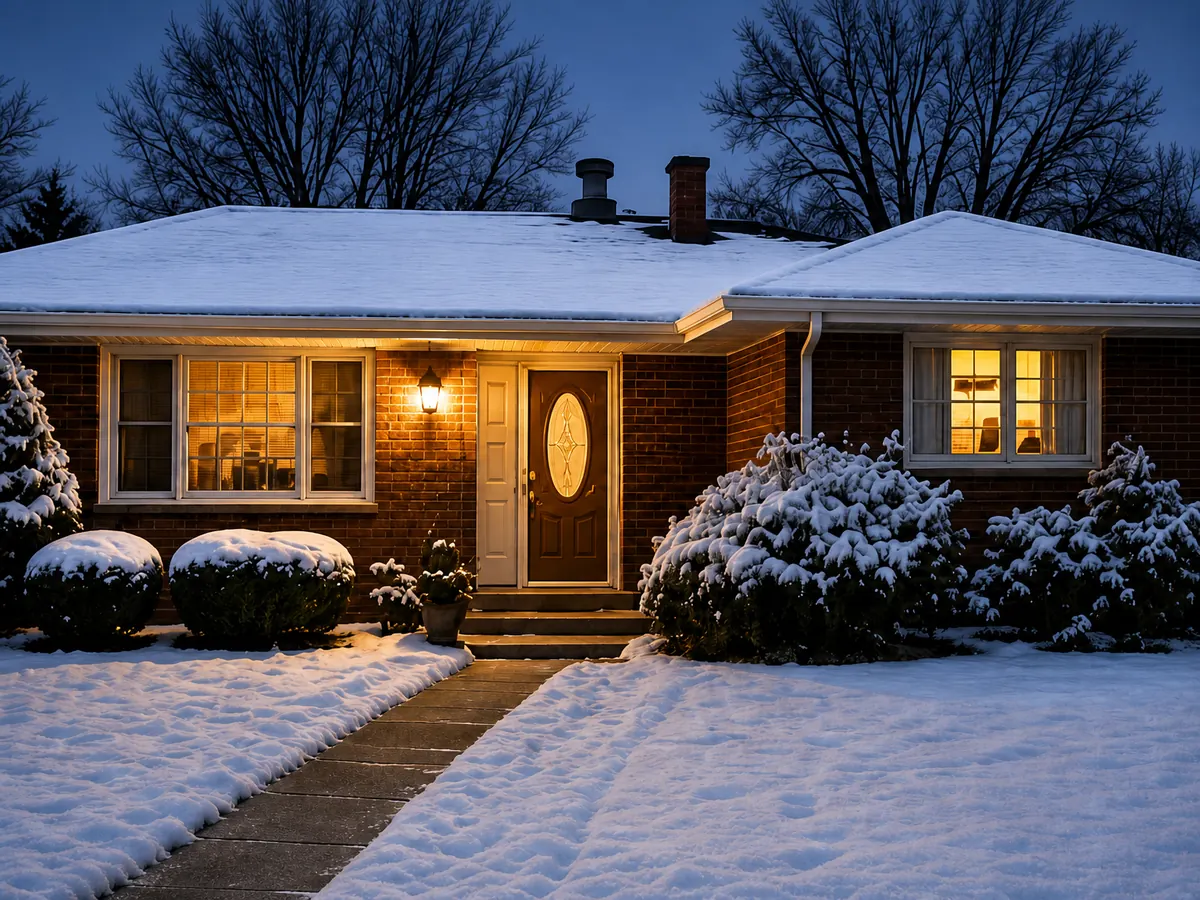
A lot of homes in St. John went up in the last few decades, and most of them have high-efficiency gas furnaces. You can spot them from the yard: two white plastic pipes poking out the side of the house, one pulling air in and one pushing exhaust out. They work well. But after a heavy snow or a night of blowing drifts, those pipes can get buried, and the furnace will refuse to run.
That’s a safety feature, not a breakdown. So before anything else, take a look outside.
A quick check you can do yourself
- Find the two white pipes on the side or back of the house, usually near where the furnace sits inside.
- Clear snow and ice gently by hand. Don’t chip at the pipes with a shovel.
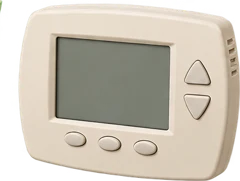
- Reset at the thermostat. Turn it off for a minute, then back to HEAT.
- Look at the filter. A clogged one can cause its own shutdowns.
- Still nothing? Stop and call. Don’t keep cycling power to the furnace.
If you smell gas, leave the house and call NIPSCO or 911 from outside. If a carbon monoxide alarm goes off, get everyone out and call 911.
High-efficiency does not mean trouble-free
These furnaces have a few parts older ones don’t. The big one is the condensate system. A high-efficiency furnace pulls so much heat from the gas that it makes water, and that water drains through a trap and a small hose, sometimes to a pump. When the trap clogs with sludge, water backs up, a pressure switch can’t do its job, and the furnace shuts down. You may hear gurgling first.
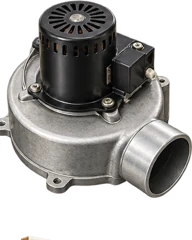
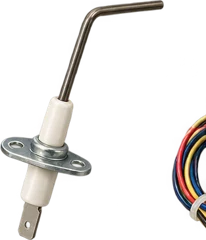
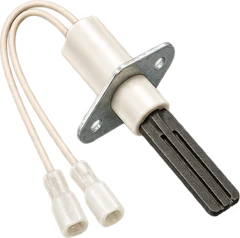
Clearing and flushing that drain is a common repair and usually a small one. The same goes for a dirty flame sensor, a sticky pressure switch, or a tired inducer motor. These parts fail on newer furnaces too, and fixing them is almost always the right move.
No commission, no sales pitch
If you’ve got a newer furnace, you shouldn’t hear the word “replace” for a clogged drain. And if you’ve got an older one, “15 years old” still isn’t a diagnosis. Our techs aren’t paid on commission, so there’s no push toward a new system. We quote the repair first. Replacement only comes up when the repair would cost more than the furnace has left in it, and then you see both prices side by side.
What happens when you call
A real person answers, day or night. We ask what the furnace is doing, whether it’s gurgling or clicking or silent, and tell you the diagnostic fee before we head over. The tech tests the furnace, checks the venting, the drain and the safeties, and shows you what failed.
Then the repair price goes on paper. You agree to it before we start, and the final bill matches what’s written. If a part has to be ordered, you’ll know before we leave.
Keeping those vent pipes clear all winter
After each big snow, take a walk around the house and look at the vent pipes. Keep a clear space around them and don’t let a snowbank or a shoveled pile build up against that wall. If ice forms on the ends, let it melt or clear it gently. A furnace that shuts down for a blocked pipe is doing the right thing. Clearing it yourself can save you a service call.
When to call even if the heat still works
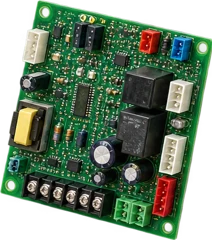
Water pooling under the furnace, a gurgle every time it starts, three tries to light before it catches, or a blinking code on the board are all early signs. A quick visit now is cheaper and warmer than a lockout on a cold night.
No heat right now? Call (219) 555-0142. Otherwise, send the form below. See why a furnace keeps turning on and off for more background. We also serve furnace repair in Cedar Lake and furnace repair in Crown Point, plus the whole service area. Our main furnace repair page has the rest.