

A lake town that winters hard
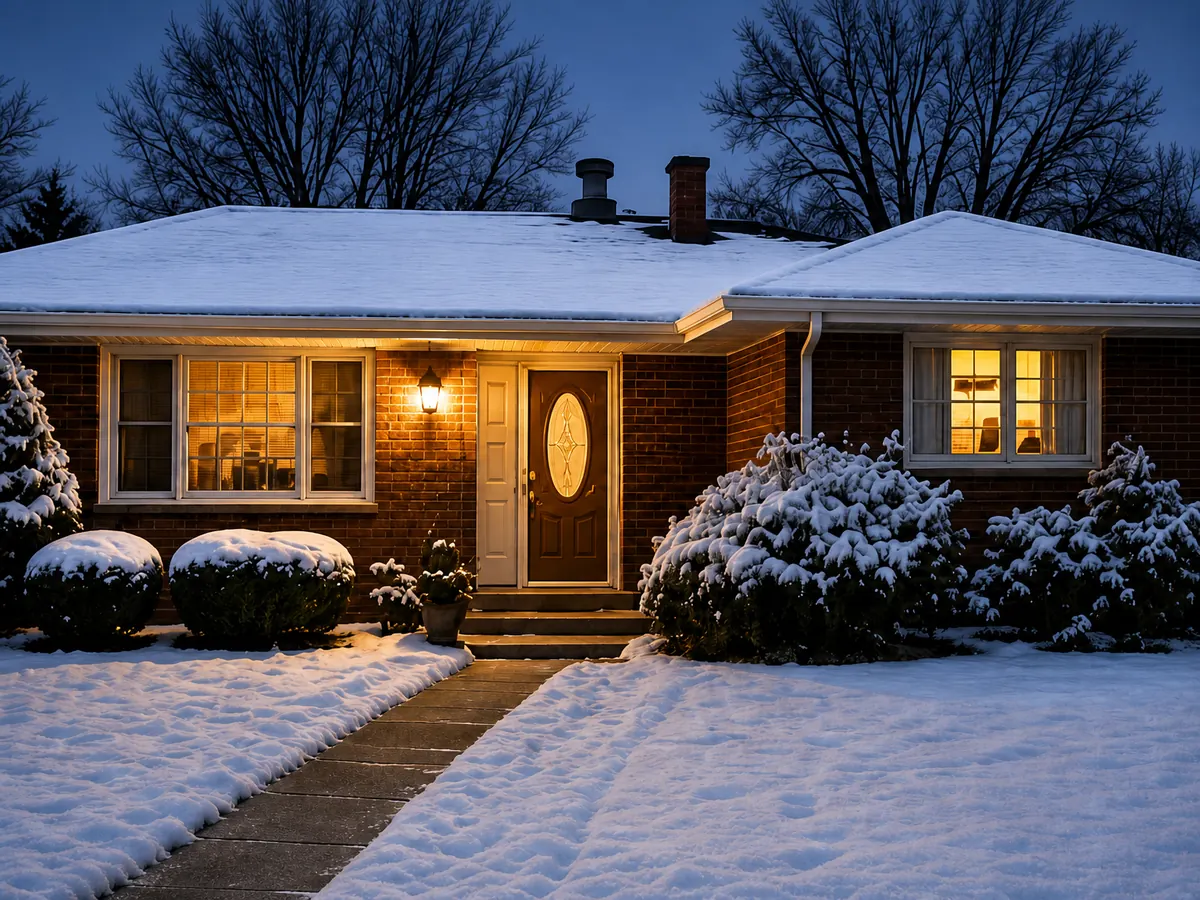
Cedar Lake is built around its lake, and a lot of the town started out as summer places. Many of those cottages became year-round homes, and plenty have been added onto over the decades. Newer subdivisions have filled in around them. So when a Cedar Lake furnace quits, it might be a newer unit in a basement, or an older one in a crawlspace or a closet somebody squeezed in after the fact.
Whichever it is, we start the same way. We find what’s broken, write the repair price down, and fix it once you say yes.
Converted cottages and tight spaces
Furnaces in converted homes can live in odd spots: a crawlspace, a utility closet off the kitchen, a corner of an addition. Tight spaces make a furnace harder to service and easier to neglect, and ductwork that grew in stages can leave some rooms short on heat. Open ground around the lake lets the wind build, and those far rooms feel it first. We look at the whole setup, not just the part that failed. We also tell you if a crawlspace furnace is sitting in damp or has boxes stacked against it, since both cause trouble down the road.
That rattle at start-up
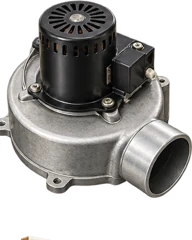
One sound we hear about a lot: a rattle, whine or grind for the first minute after the furnace kicks on. That’s often the inducer motor, the small fan that pulls exhaust out through the flue before the burners light. When its bearings wear, it gets loud, then slow, then it stops. Once it’s too slow, the pressure switch won’t close and the furnace won’t light at all.
Caught early, it’s a motor replacement. Left alone, it’s a no-heat call on the coldest night of the year. Some newer furnaces have variable-speed inducers that fail more quietly, with a code instead of a noise. We read the code and test the motor either way. If your furnace has started making a new noise, call before it quits.
A few things to try first
- Check that the thermostat is on heat and the batteries aren’t dead.
- Replace the filter if it’s gray or you can’t see light through it.
- Make sure the furnace door is fully seated. Many furnaces won’t run with the door off or loose.
- On high-efficiency furnaces, look at the plastic pipes outside and clear any snow or ice.
If it still won’t run, leave it off and call. Resetting it over and over won’t fix a worn part.
What a visit looks like
- You call. A real person answers and tells you the diagnostic fee.
- We find it. The tech tests the furnace and shows you the failed part.
- You see the price. A flat-rate repair price, in writing, before work starts.
- We fix it. Then we run the furnace through a full cycle before we leave.
Repair first, on every furnace
Our techs aren’t paid on commission, so the service call is about the repair. If a worn inducer is the only problem, you get a new inducer. If the furnace has a serious issue, like a cracked heat exchanger, we show you and put the repair and replacement prices on the same sheet. Age alone is not a diagnosis. We wrote more about that in whether a 15-year-old furnace is worth fixing.
Before you do anything else
If you smell gas, leave the house and call NIPSCO or 911 from outside. If the carbon monoxide alarm goes off, get out and call 911. Furnaces in crawlspaces and closets need clear air around them, so keep boxes and storage away from the unit.
Cedar Lake is on our map
We come down from Munster and cover Cedar Lake along with St. John, Crown Point and the rest of our service area. Tell us if the furnace is in a crawlspace when you call, so the tech comes ready for it. Heat out now? Call (219) 555-0142. For how we handle every repair, see furnace repair.