
When the furnace starts, then quits
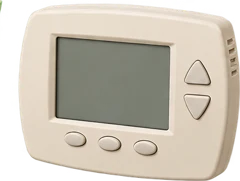
A lot of Merrillville calls start the same way. The thermostat clicks, the inducer fan hums for a few seconds, and then everything goes quiet. No flame. A few minutes later it tries again. Sometimes it gives up and a light starts blinking on the control board. That start-and-stop pattern tells us a safety control is doing its job and shutting things down. Our job is to find out why.
Call us and a real person answers, day or night. We ask what you’re hearing and seeing, tell you the diagnostic fee before anyone drives over, and get a tech headed your way. Merrillville is well inside the roughly 20 miles we cover from our shop in Munster.
What we check on a no-heat call
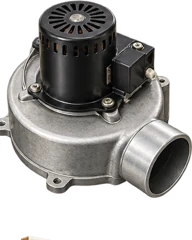
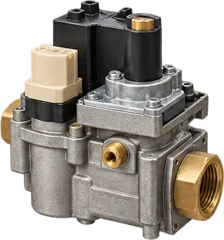
A modern gas furnace runs through the same order every time it starts. The inducer motor clears the flue, a pressure switch confirms the draft, the igniter heats up, the gas valve opens, and a flame sensor proves the burners lit. If any step fails, the control board stops the cycle. We test each step in order instead of guessing, so you pay for the part that failed and nothing else.
- Pressure switch and tubing. A cracked hose, a plugged port or a tired switch will stop a furnace cold.
- Venting. On high-efficiency furnaces, the plastic intake and exhaust pipes can be blocked by snow, ice or a bird’s nest.
- Condensate drain. A clogged trap can back water up and trip the switch.
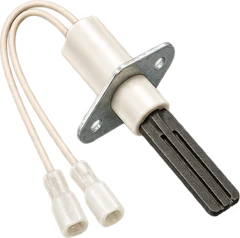
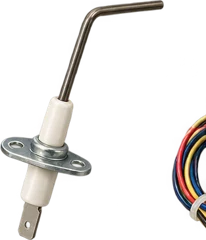
- Igniter and flame sensor. Two small parts behind a lot of no-heat calls.
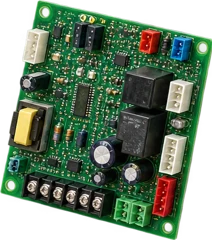
- Control board codes. The blinking light on the board often points us in the right direction.
Merrillville houses we see
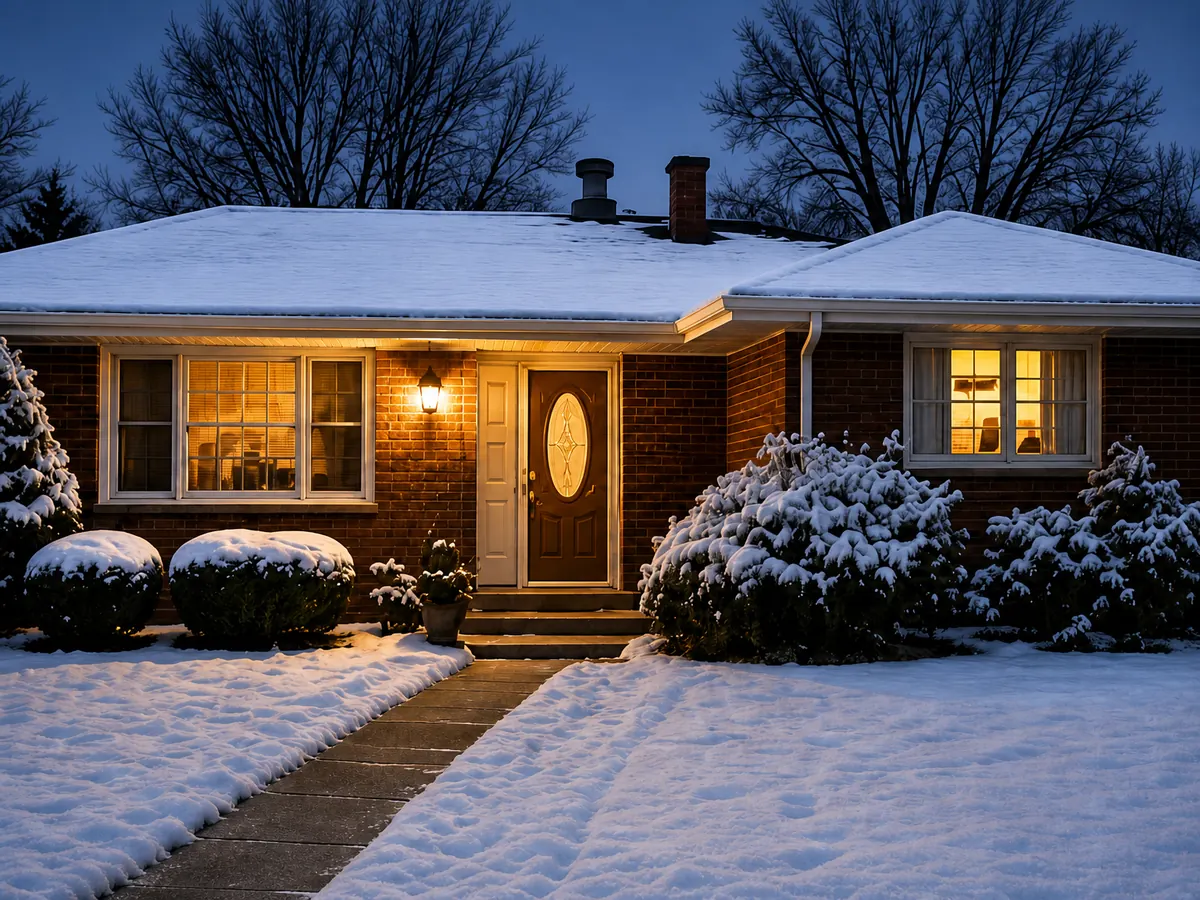
Merrillville grew up around the spot where US-30 crosses I-65, and the housing came in waves. There are split-levels and ranches from the 1960s and 1970s, some with the furnace tucked in a lower-level utility room, and newer subdivisions with high-efficiency furnaces venting out the side of the house. Those side-wall vents are worth a look after a heavy snow. If a drift covers the pipes, the furnace can shut itself down to stay safe.
Clearing a drifted vent is something you can do yourself. Brush the snow away from both pipes, then turn the furnace off and back on at the thermostat. If there’s ice built up inside the pipe openings, leave it alone and call us rather than chipping at it. If the furnace runs after you clear the snow, you just saved a service call. If it doesn’t, call us.
The price is on paper before we start
Once the tech finds the problem, you get a written, flat-rate price for the repair. You look it over. The sheet lists the part and the labor, and nothing gets tacked on at the end. If you say yes, we do the work, and the bill matches the paper. If you say no, you owe the diagnostic fee and that’s it. Our techs are not paid on commission, so nobody on the call gets a bonus for talking you into a new furnace.
Repair first, even on an older furnace
A furnace from the late 2000s can still have plenty of life in it. We look at the heat exchanger, the burners, the blower and the wiring, and we tell you what we see. If the repair is small and the rest of the furnace is sound, we fix it. If a big repair on a worn-out furnace doesn’t add up, we show you both numbers side by side and let you decide. There’s more on that in is it worth fixing a 15-year-old furnace.
When not to wait
Some situations come before any repair call. If you smell gas, get everyone out of the house and call NIPSCO or 911 from outside. If a carbon monoxide alarm goes off, leave and call 911. Once the house is safe, we’re glad to come find the cause.
Heat out in Merrillville right now? Call (219) 555-0142. Furnace starting and stopping on its own? Read why a furnace keeps turning on and off. You can also see furnace repair across Northwest Indiana, or our pages for nearby Crown Point and Hobart.