



Warm air on a muggy Munster night? Here’s the plan.
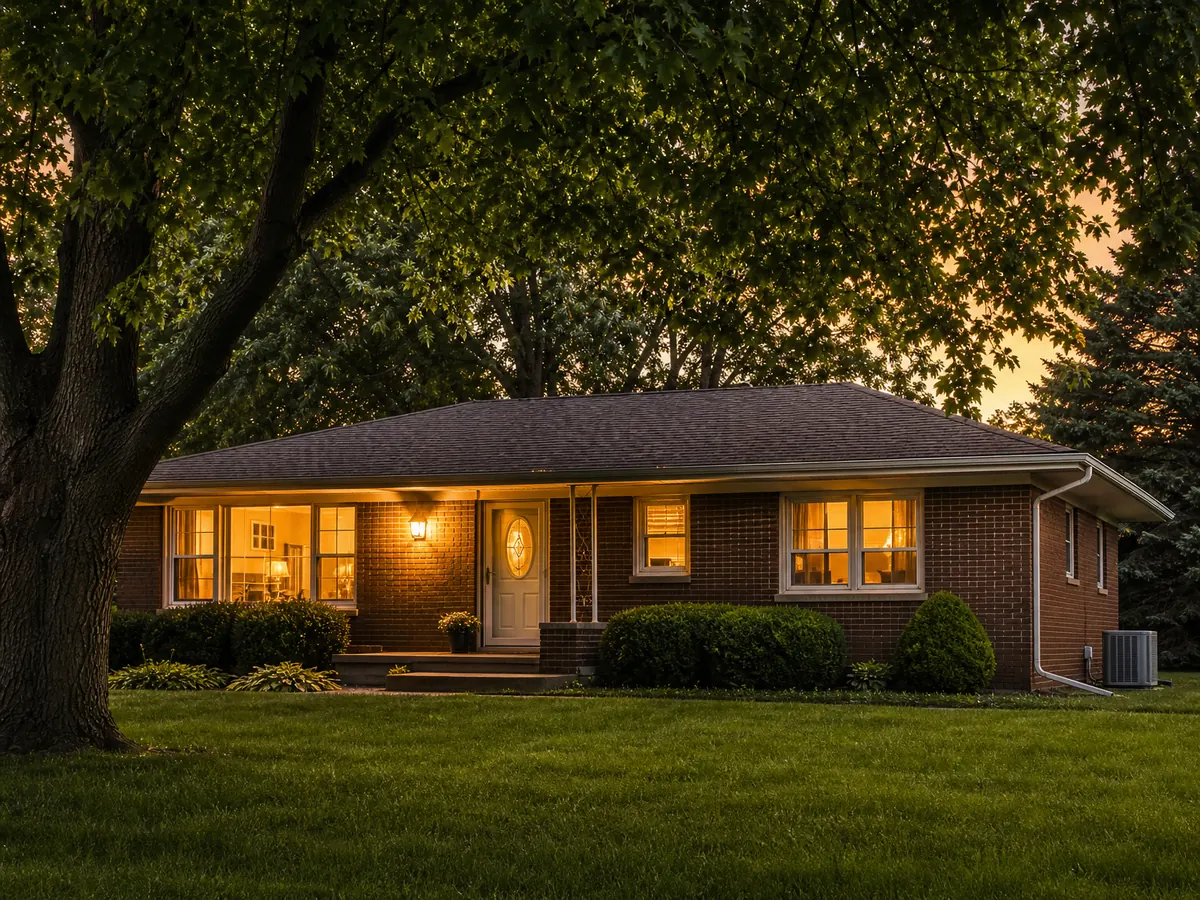
Munster summers aren’t always the hottest in the region, but they are sticky. Moist air drifts in off Lake Michigan, and on a 90-degree July evening a brick ranch can feel heavy long after the sun goes down. The most common call we get this time of year sounds the same every time: the AC is running, the fan is blowing, and the air coming out of the vents is barely cool.
Call us first. A real person picks up, asks what the system is doing, and tells you what the visit costs before anyone gets in a truck. We’re based here in Munster, so the drive is short and the houses are familiar.
What happens after you call
- We listen. A person answers, day or night, and asks a few plain questions about what the AC is doing.
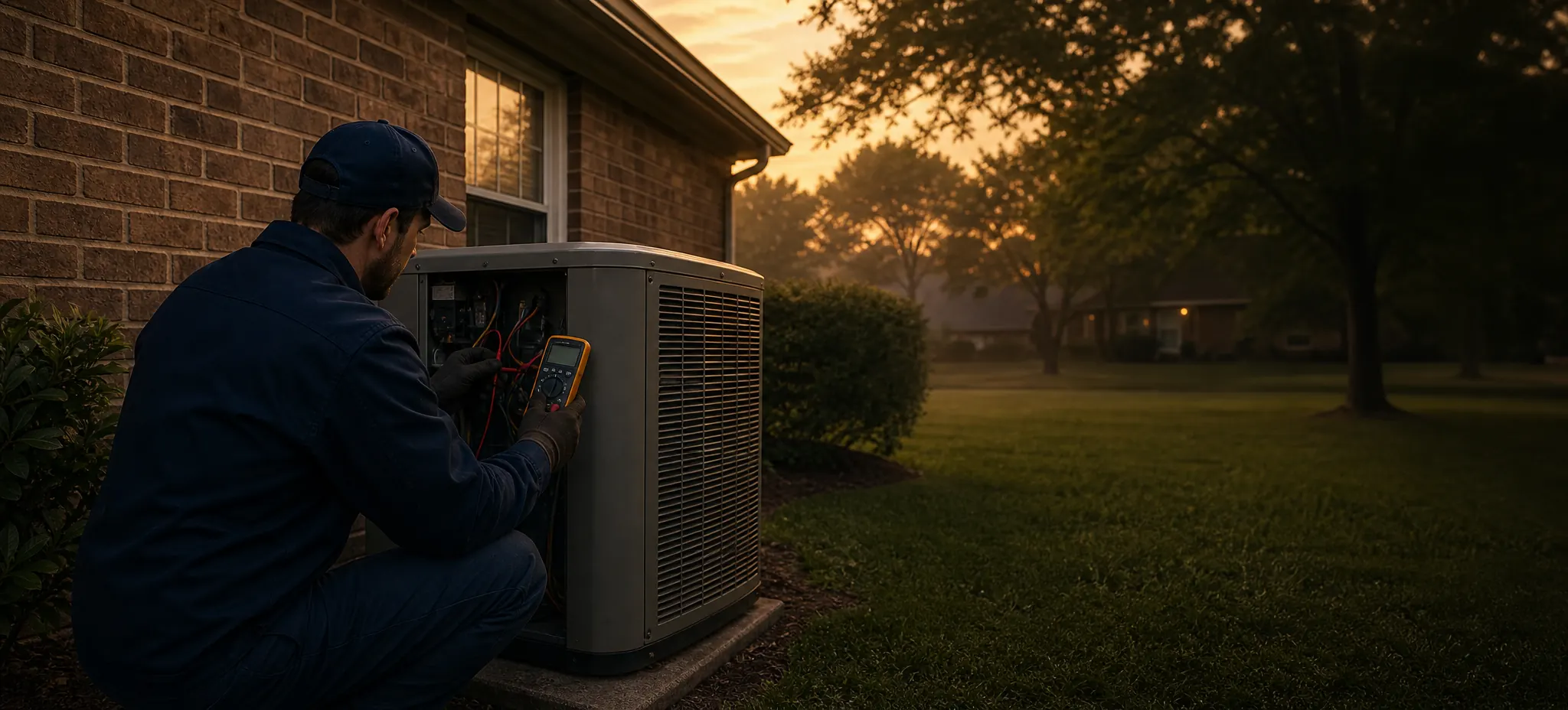
- We test. The tech checks the outdoor unit, the indoor coil, the filter and the electrical parts, and shows you what failed.
- You see the price. The repair cost is written down before any work starts.
- We fix it. You approve it first, and the bill matches the paper.
The part that fails most often
On a central air system, the outdoor unit does the heavy lifting, and the small electrical parts inside it take a beating in the heat. The run capacitor is the one we replace most. It gives the compressor and the condenser fan the push they need to start. When it weakens, you’ll often hear the outdoor unit hum while the fan on top sits still, or the system will start, click, and quit.
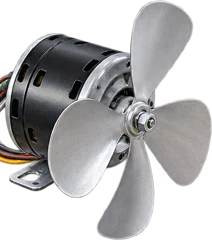
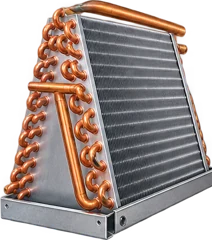
A capacitor is a small part. Replacing one is a repair, not a reason to buy a new air conditioner. Other usual suspects are a pitted contactor, a worn condenser fan motor, a clogged drain line that trips a safety switch, or an indoor coil that iced over because the filter was packed. We test each one before we name it, so you’re not paying for guesses.
“15 years old” is not a diagnosis
You may have heard that an AC over 15 years old isn’t worth fixing. Age by itself doesn’t tell anyone what’s wrong. A 15-year-old condenser with a dead capacitor needs a capacitor. We check the compressor, the refrigerant pressures and the coils, and we tell you in plain words what we found.
Our techs are not paid on commission, so nobody on the truck gains anything by pushing a new system. Replacement only comes up when the repair would cost more than the unit has left in it. When that happens, you see both numbers side by side and you decide.
Check these three things before you call
First, make sure the thermostat is set to COOL and set a few degrees below the room temperature. Second, pull the filter. If it’s gray and packed, swap it. Third, look at the breaker panel and the shutoff box next to the outdoor unit. If any of that fixes it, great. If the house still won’t cool, turn the AC off at the thermostat so a weak part doesn’t take a good one down with it, and call us. If you smell burning or see scorch marks near the outdoor unit, switch it off at the breaker and leave it off.
Munster homes and their air conditioners
A lot of Munster’s brick ranches have the condenser tucked into a narrow side yard, often with a fence or hedge closing in on it. That makes it run hotter than it should. Older homes in town often have central air added onto ductwork that was sized for a furnace, and newer builds run higher-efficiency systems with more electronics. We work on all of them, and we’ll point out anything that’s making your system work harder, like shrubs hugging the coil.
Hot house right now? Call (219) 555-0142. Not urgent? Fill out the quote form below and we’ll call you back. Want to rule out the easy stuff first? Read why an AC runs but doesn’t cool. You can also see AC repair across Northwest Indiana, our page for AC repair in Highland, or the full service area.