




Frost on the AC in July? It happens in Dyer more than you’d think.
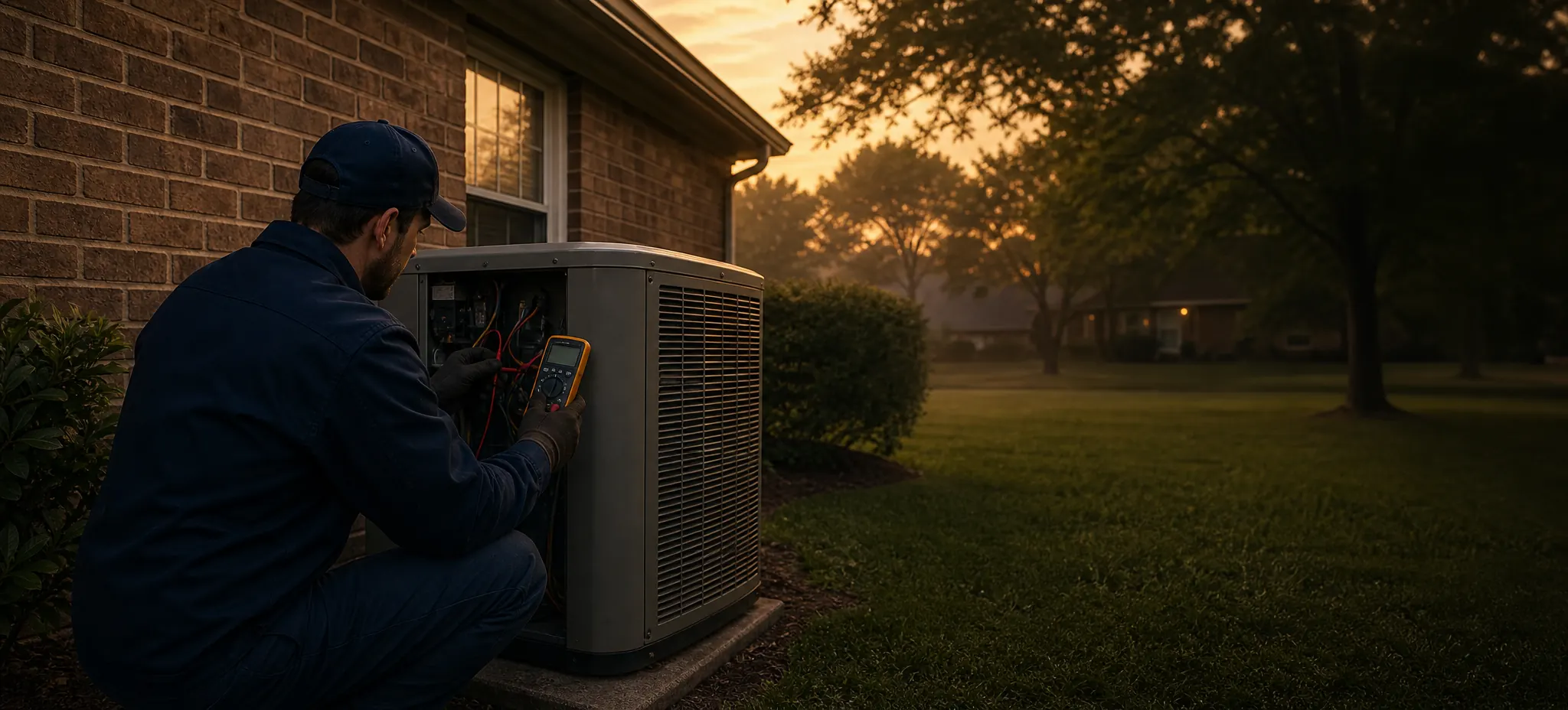
A lot of Dyer calls in summer start the same way. A parent notices the house isn’t cooling, walks outside, and finds the copper line at the outdoor unit covered in frost. On an 88-degree afternoon. It looks strange, and it looks expensive. Most of the time, it’s neither.
Dyer has plenty of newer subdivisions and young families in first homes, and the summer routine is busy. Filters get forgotten. Vents in unused rooms get closed. The AC keeps running through humid stretches when the air is thick with moisture, and that combination is how a coil freezes.
Signs you’ve got an airflow problem
- Frost or ice on the larger copper line outside, or on the indoor coil.
- Weak air from the vents even though the blower is running.
- Water around the furnace as the ice melts and overflows the drain pan.
- The system runs all day and the house never gets below 78.
- Upstairs bedrooms hotter than usual at bedtime.
If you see ice, turn the thermostat to OFF and set the fan to ON. That thaws the coil faster and protects the compressor. Change the filter while you wait. If the ice comes back, call us.
What’s usually behind a frozen coil
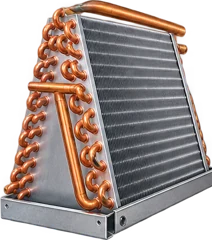
An air conditioner cools by running cold refrigerant through the indoor coil while the blower pushes warm house air across it. If the airflow drops, the coil gets colder than it should. Once it passes freezing, moisture from the air turns to ice, the ice blocks more air, and it snowballs.
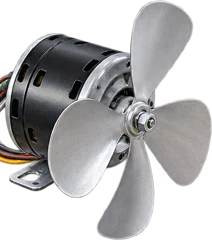
The most common cause is a clogged filter. Next are closed or blocked vents, a dirty coil, and a weak blower motor or capacitor. Low refrigerant from a leak can also freeze a coil, so we check pressures before we call it an airflow problem. If there’s a leak, you’ll hear that plainly, along with the price to find and fix it.
A quick word on filters. The thin one-inch filters in a lot of furnaces need changing every one to three months in summer, sooner with pets or dusty work nearby. Thicker media filters last longer. If you aren’t sure which one you have or which way it faces, ask the tech while we’re there. We’d rather show you once than come back for the same frozen coil next August.
How the visit works
A real person answers the phone, day or night, and tells you the diagnostic fee before we come. The tech checks the filter, the blower, the coil and the refrigerant charge. You get the repair price on paper before any work starts. Then we fix it and run the system long enough to confirm it’s holding temperature.
Dyer homes we work in
Dyer sits on the Illinois state line, next door to Munster, where we’re based. Much of the town is newer housing: two-story homes and ranches in subdivisions with a condenser on a pad behind the house. Those systems tend to have more electronics and tighter tolerances than older ones, and they don’t like dirty filters. We also work in Dyer’s older homes, where central air may share ductwork that was built for heat only.
Repair first, always
If someone tells you a frozen coil means a new air conditioner, get a second look. A frozen coil is a symptom. Our techs aren’t paid on commission, and every visit starts with a repair quote. We bring up replacement only when a repair would cost more than the unit has left in it. You’ll see both numbers side by side, and the choice is yours.
AC frozen or blowing warm in Dyer? Call (219) 555-0142. Not urgent? Send the form below and we’ll call back. For the full list of homeowner checks, read why an AC runs but won’t cool. Also see AC repair in Northwest Indiana, AC repair in St. John, or our service area.