



Highland ranches, added-on air, and summer shutdowns
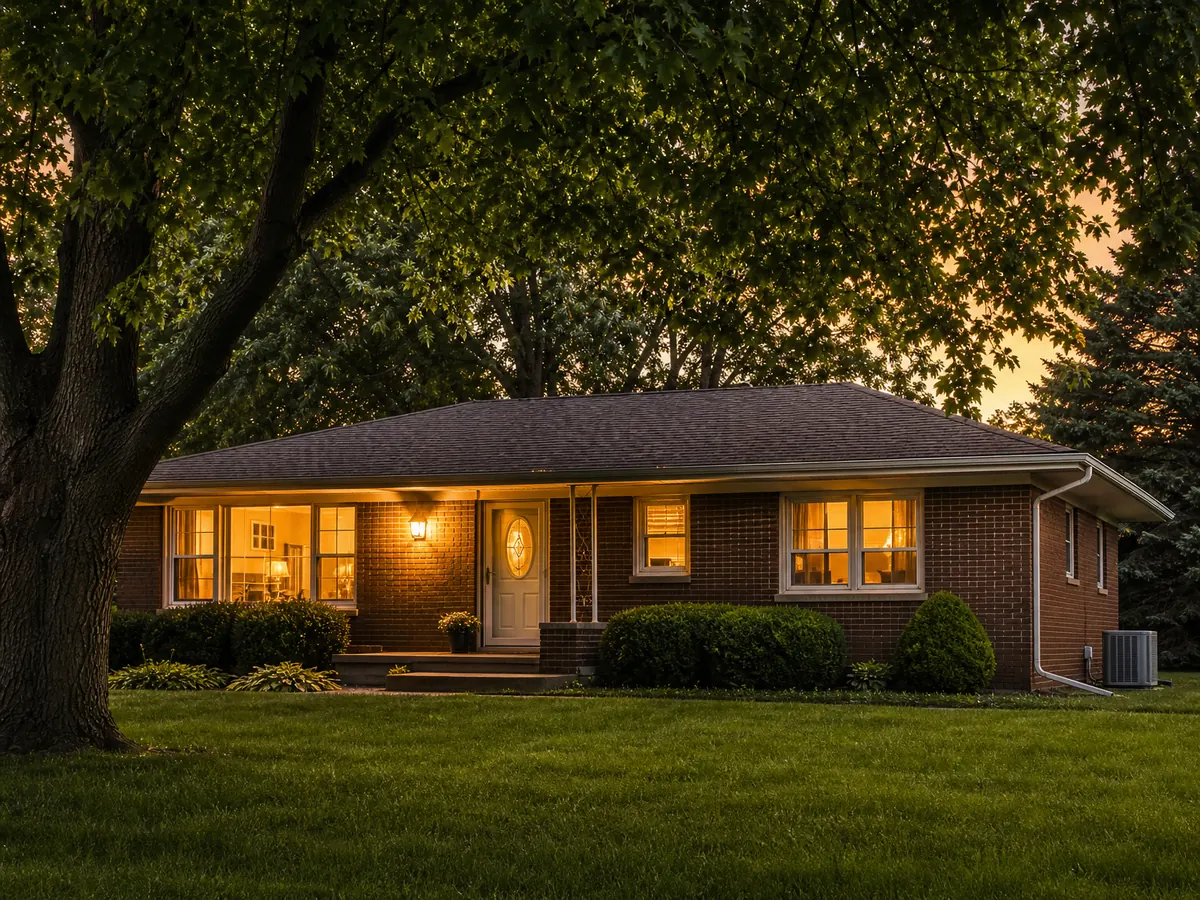
A lot of Highland homes were built in the 1950s and ’60s, before central air was standard. Many got it later, bolted onto a furnace and ductwork that were designed for heat. That setup works, but it has a few habits. Drain lines run a long way. Ducts snake through crawlspaces. And on a humid July week, when the system runs nearly nonstop, the weak spots show up.
When your AC quits, call us. A real person answers, day or night, and tells you what the visit costs before we come. Then we find the actual problem and quote the repair first.
Local houses, local quirks
In a typical Highland ranch, the furnace and indoor coil sit in a utility closet or the basement, the condenser sits along the side of the house, and the ducts run either overhead or under the floor. The far bedrooms at the end of a long hallway are almost always the warmest rooms. Some of that is layout. Some of it is a leaky or crushed duct that nobody has looked at in twenty years. We look.
The small clog that shuts everything down
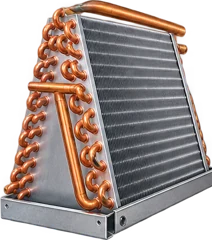
Every air conditioner pulls water out of the air. On a sticky Northwest Indiana day, that can be gallons. The water drips off the indoor coil into a pan and runs out through a small drain line. Over a summer or two, algae and dust build up in that line until it clogs. Water backs up, and if your system has a float switch, it cuts the AC off to keep the pan from overflowing.
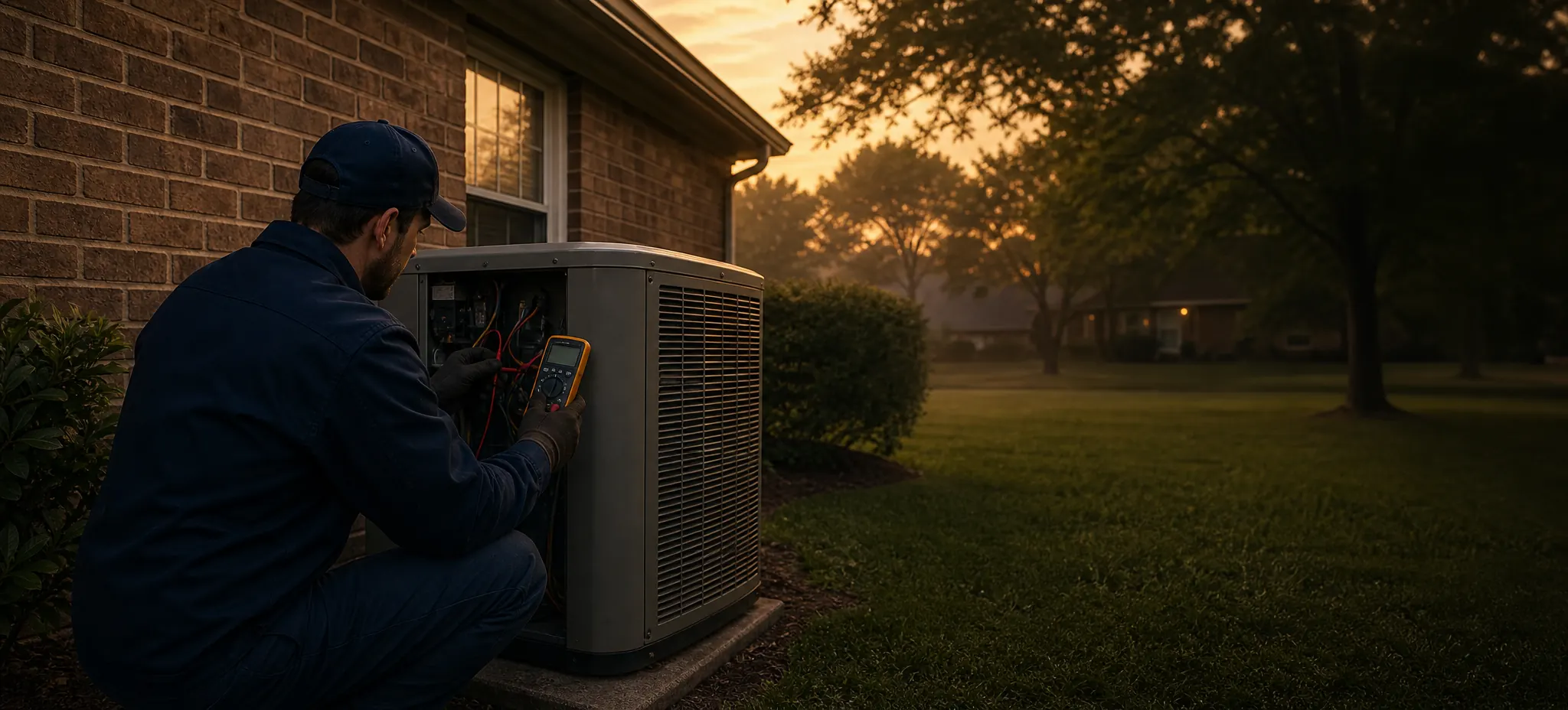
To a homeowner, that looks like a dead air conditioner. It usually isn’t. Clearing and flushing the drain line, checking the pan, and testing the switch is a repair that takes far less than a new system. Other common Highland repairs include worn capacitors, pitted contactors and indoor coils that freeze up because airflow is choked.
Signs it’s time to call
- Water in the drain pan, on the floor near the furnace, or on the ceiling below an attic unit.
- The AC stops on its own and won’t restart.
- The system runs a few minutes, shuts off, and starts again all afternoon.
- Ice on the copper line at the outdoor unit.
- A burning smell or buzzing from the outdoor unit. Switch it off at the breaker and call.
How a visit works
You call and hear the diagnostic fee up front. The tech tests the system, finds the part or clog that caused the problem, and shows it to you. The repair price goes on paper. Nothing starts until you agree, and the bill matches what was written.
If a part has to be ordered, we tell you before we leave and give you a straight answer on timing. If the system can run safely in the meantime, we’ll say so. If it can’t, we’ll explain why in plain words. Either way, you won’t be left guessing about what happens next or what it costs. And if the problem is one you can head off, like a drain line that needs flushing each spring, we’ll show you what to watch for.
An older house doesn’t mean a worn-out AC
Being in a 60-year-old house doesn’t mean your air conditioner is done. And a 15-year-old condenser isn’t finished just because of its age. We check what’s actually wrong. Our techs aren’t on commission, so there’s no reason for anyone to push a new system. If a repair would cost more than the unit has left in it, you’ll see both numbers and you choose.
AC out in Highland? Call (219) 555-0142. Not an emergency? Send the form below and we’ll call you back. If the house feels damp even while the AC runs, read why a house stays humid with the AC on. See all of our AC repair service, AC repair in Griffith next door, or the towns we cover.