
When a Hammond heat wave hits and the AC gives out
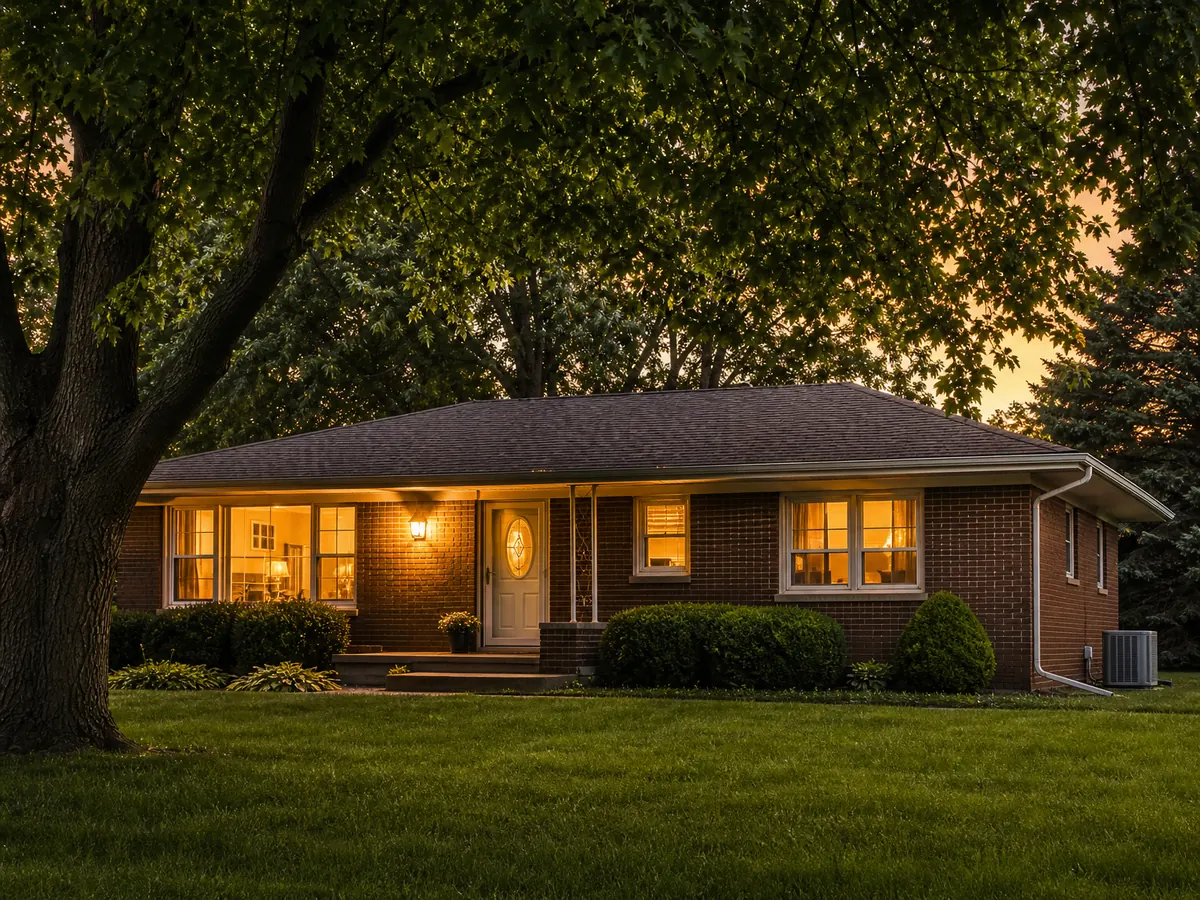
Hammond sits right on the Illinois line, next to Chicago, and it gets the same summer. A string of 90-degree days with muggy nights that barely drop into the 70s. Older brick homes soak up that heat and hold it. By the third day, if the air conditioner isn’t keeping up, the upstairs bedrooms are the hottest rooms in the house and nobody is sleeping.
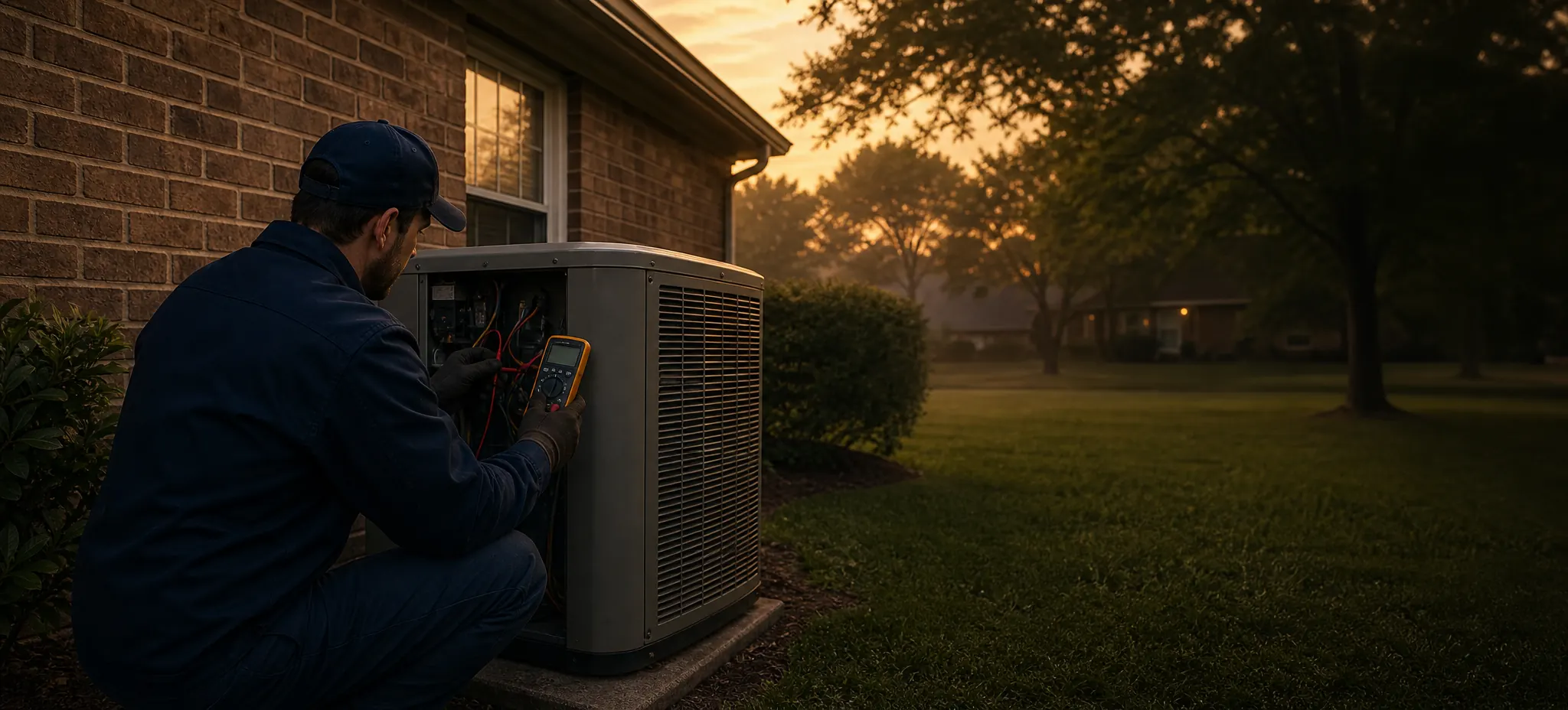
That’s when we get the call. A real person answers, asks what the system is doing, and gives you the diagnostic fee before we come.
You’ll hear about the repair before anything else
A lot of people in Hammond have heard the pitch: the unit is old, parts are hard to get, you should think about a new one. Sometimes that’s true. Often it’s a sales script. We start every visit by finding what actually failed and pricing that repair, in writing.
Our techs aren’t paid on commission. There’s no bonus for selling a system. Replacement only enters the conversation when a repair would cost more than the unit has left in it, and even then, you see both numbers and make the call.
The worn switch behind a lot of no-start calls
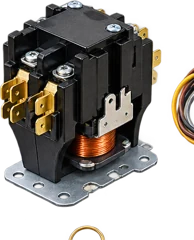
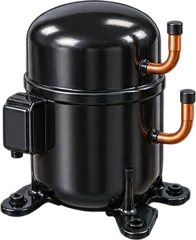
Inside the outdoor unit is a contactor. It’s a heavy-duty switch that closes when your thermostat calls for cooling and sends power to the compressor and fan. It clicks on and off thousands of times a summer. Over the years, its contact points pit and burn. Eventually it stops closing, and the outdoor unit sits dead while the indoor fan blows room-temperature air. Or it sticks closed, and the condenser runs even when the thermostat is off.
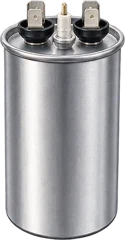
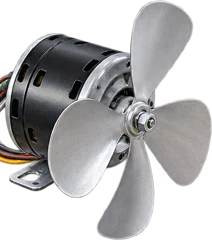
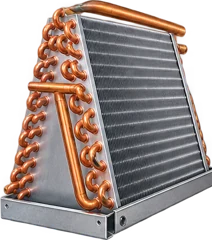
A contactor is an inexpensive part, and swapping one is a normal repair. We also see a lot of weak capacitors, tired condenser fan motors and clogged coils in Hammond, especially on units that sit in tight side yards or near busy streets where dust and cottonwood build up fast.
A stuck contactor is worth a quick word. If your outdoor unit keeps running after you turn the thermostat off, or after the house is plenty cold, shut it off at the breaker and call. A condenser that runs nonstop can freeze the indoor coil and wear out the compressor. It is still usually a small repair, as long as it doesn’t run that way for days. We’d rather you call early than wait and see.
Hammond houses we know well
Much of Hammond is older housing stock: brick bungalows, two-flats and frame homes on narrow lots. Central air in these homes is often a later addition, and the outdoor unit may be squeezed between houses with little room to breathe. We work on those, on newer systems in the city’s newer neighborhoods, and on rentals for landlords who need a straight answer and a written price.
The visit, step by step
- Phone call. A person answers and gives you the diagnostic fee.
- Diagnosis. The tech tests the system and shows you the failed part.
- Written price. The repair cost goes on paper before work starts.
- Repair and test. We fix it, run it, and confirm it’s cooling.
When to call right away
Call if the outdoor unit won’t start, buzzes or chatters, runs when the thermostat is off, or if the vents blow warm for more than a few minutes. If you smell burning or hear a loud electrical pop, turn the AC off at the breaker and leave it off. If anyone in the house is struggling with the heat, move them to the coolest room, get fluids going, and call 911 if they show signs of heat illness.
Hot in Hammond? Call (219) 555-0142. Or use the form below and we’ll call back. For the easy checks first, see what to check when the AC runs but won’t cool. You can also visit AC repair across the region, AC repair in Whiting, or our full service area.