



St. John AC that fades a little more every summer
Here’s a call we get from St. John a lot. The AC isn’t dead. It just isn’t what it was. It runs longer, the upstairs stays warm into the evening, and last summer somebody came out and added refrigerant. It helped for a while. Now it’s back.
That pattern almost always means a leak. Refrigerant isn’t fuel. It doesn’t get burned up. It circulates in a sealed loop, and if the level drops, it’s escaping from somewhere. Adding more without finding where is a fee you’ll pay again next year.
St. John homes and the upstairs problem
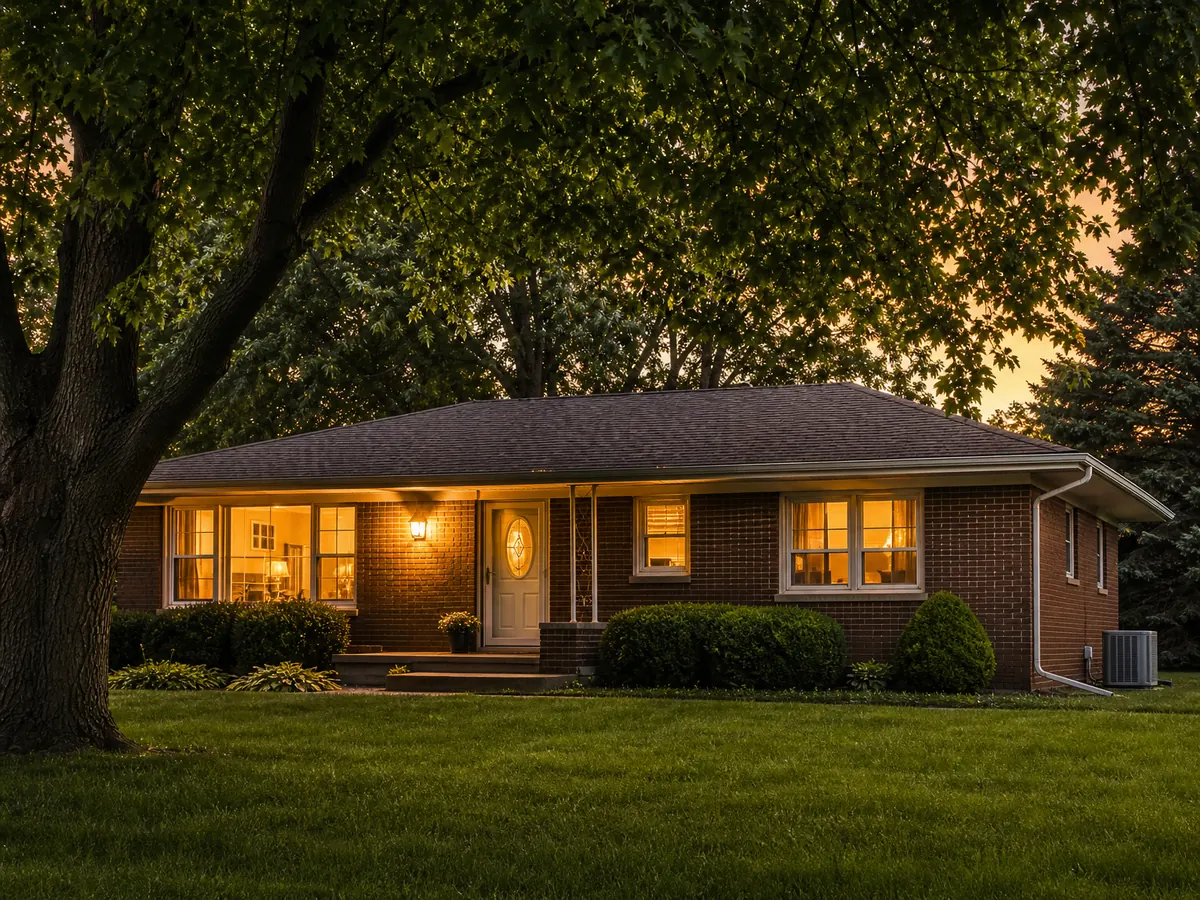
St. John has grown quickly, and a lot of its housing is newer: two-story homes with vaulted ceilings, bonus rooms over the garage, and big windows facing the sun. A single system cooling two floors has to work hard on a humid 90-degree afternoon. When the refrigerant charge is even a little low, the upstairs is where you feel it first. The system can’t pull enough heat out of the air, so it runs all day and the second floor never catches up.
Repair gets priced before replacement comes up
A slow leak is a common reason people get told to replace an air conditioner. Sometimes that’s the right call, like when the indoor coil itself is corroded through. Often it isn’t. Leaks at a fitting, a service valve or a brazed joint can be repaired. Our techs aren’t paid on commission. Every visit starts with a repair quote. If a new system ever makes more sense, you’ll see both prices on one sheet and decide.
How we track down a leak
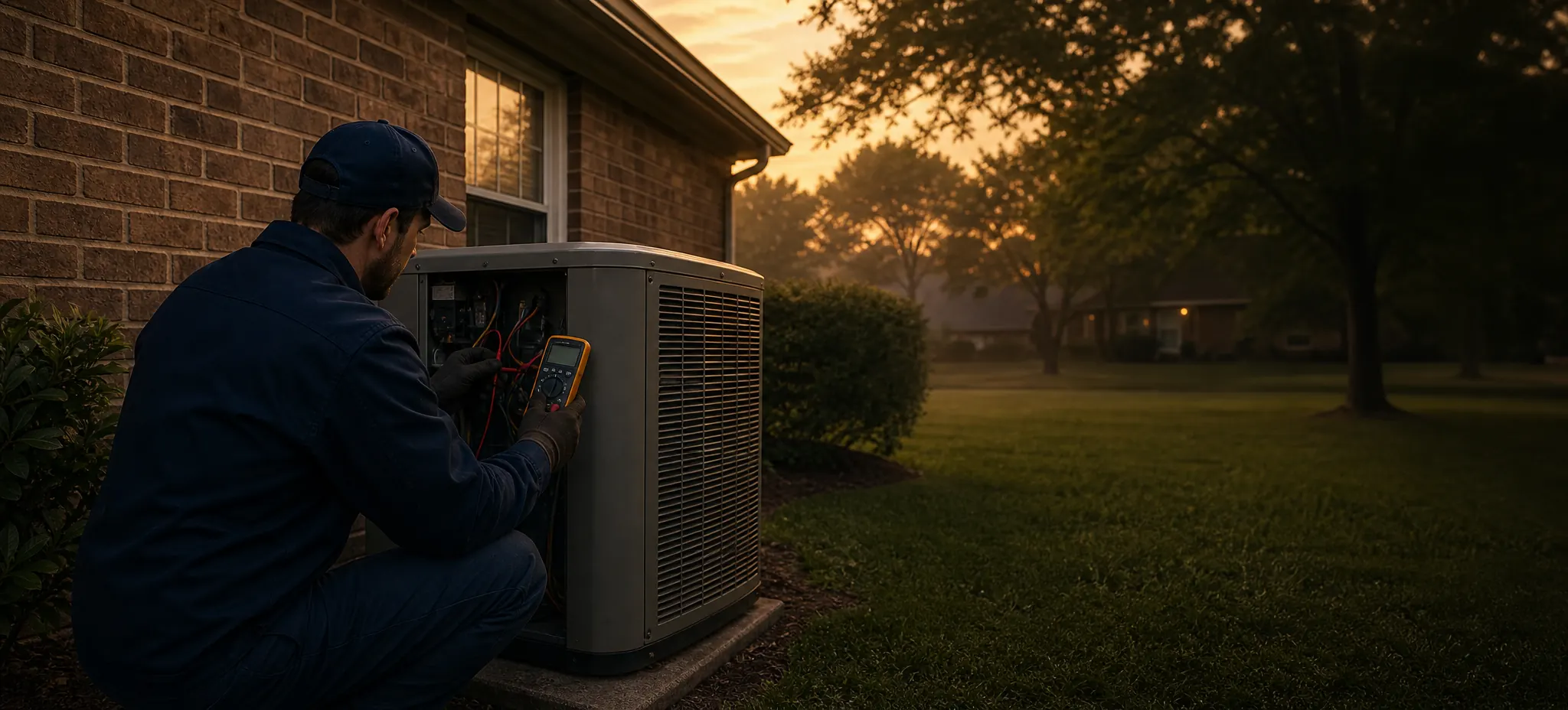
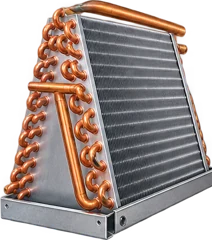
We start with pressures and temperatures, which tell us whether the charge is actually low or something else is going on. If it’s low, we look for the leak at the usual spots first: the service valves at the outdoor unit, the flare fittings, the brazed joints and the indoor coil. Electronic detectors and bubble solution find most leaks. Once we know where it is, we write down the repair price, including the recharge, before any work starts.
After the fix, we pressure test the system to make sure it holds, then recharge it to the right level. The point is to do it once.
A note on older systems. Some air conditioners from the early 2000s and before run on R-22, a refrigerant that is no longer produced in the U.S., so recharging one costs more than it used to. That makes finding and fixing the leak even more important. If your unit uses R-22 and has a large leak, the math can change, and we’ll walk you through both options with real numbers on paper. No pressure, just numbers.
Signs of a leak or a low charge
- The AC runs longer and longer and the house still creeps warmer.
- Ice or frost on the copper line at the outdoor unit or on the indoor coil.
- A hissing or bubbling sound near the lines.
- Someone has already added refrigerant in the last year or two.
- Upstairs rooms that used to be fine now stay hot.
If you see ice, switch the thermostat to OFF and the fan to ON to thaw it, and check the filter. A clogged filter can freeze a coil too, and it’s the easy thing to rule out first.
A visit, start to finish
You call and a real person answers, day or night. You hear the diagnostic fee before we come. The tech tests the system, finds what’s wrong, and shows you. The repair price is on paper before any work starts, and the final bill matches it.
AC fading in St. John? Call (219) 555-0142. Or fill out the form and we’ll call you back. Read why an AC runs but won’t cool for other causes, or why the house stays humid. See AC repair across Northwest Indiana, AC repair in Crown Point, or our service area.