


Two visits a year, timed to the weather
A tune-up is a boring visit, and that’s the point. You’d rather find a worn igniter on a sunny Tuesday in October than on a Saturday night in January when it’s 4 degrees and every HVAC company in Lake County is booked. Same with the air conditioner: a weak capacitor caught in May is a small fix; one that fails during the first July heat wave means a hot house and a wait.
We do two seasonal checks. The furnace gets its look in the fall, before heating season. The AC gets its look in the spring, before the first 90-degree week. If you have a heat pump, it runs both seasons, so it gets checked both times.
What a tune-up with us is not
Let’s get this out of the way, since you’ve probably seen the other kind. A lot of cheap tune-up offers are built to get a salesperson into your basement. The “inspection” turns up a list of scary problems, and the visit ends with a replacement brochure on the kitchen table.
That’s not how we run it. Our techs aren’t paid on commission, so there’s no reason to find problems that aren’t there. If we find something that needs fixing, we show it to you, explain what it means, and write the price down. You can fix it that day, schedule it later, or leave it. If we find nothing, we tell you that, and we leave.
The fall furnace check
This is the one that matters most around here. A Northwest Indiana furnace can run for six months straight, and the failures that show up in January usually started in November. Here’s what we go through.
- Filter. Checked and swapped if you have one ready, or we’ll tell you the size to buy.
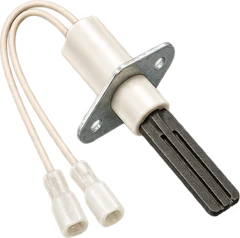
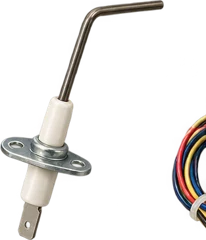
- Ignition. Igniter inspected for cracks and tested. Flame sensor cleaned and its signal checked.
- Burners. Inspected and cleaned. We look at the flame: steady, even, the right color.
- Heat exchanger. Visual inspection for cracks, rust and signs of overheating.
- Venting. Flue connections, draft, and on high-efficiency units, the PVC intake and exhaust outside.
- Inducer and blower. Motors checked for noise and amp draw; blower wheel looked at for buildup.
- Safety controls. Limit switch, pressure switch and rollout switches tested.
- Gas. Connections checked for leaks and pressure checked at the valve.
- Condensate. Drain and trap on high-efficiency furnaces cleared so they don’t back up and shut down.
- Thermostat. Calibration and wiring, and we’ll make sure it’s set up the way you want.
We also check your carbon monoxide alarms while we’re there and remind you to test them. For the full list with explanations of why each item matters, see our furnace tune-up checklist.
The spring AC check
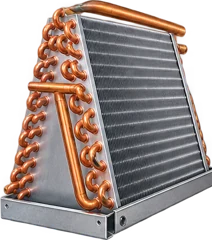
Cottonwood fluff, grass clippings and leaves from a whole winter end up packed against the outdoor coil. The drain line has had months to grow algae. And capacitors weaken quietly until a hot day finishes them. The spring check covers:
- Outdoor coil. Cleaned so the unit can shed heat.
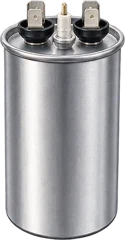
- Capacitor and contactor. Tested with a meter, not eyeballed. A capacitor reading well below its rating is the most common thing we catch.
- Fan motor. Bearings, blade and amp draw.
- Refrigerant performance. Temperature split across the indoor coil and, when needed, pressures. If the charge looks low, we’ll tell you it means a leak.
- Indoor coil and drain. Coil checked for dirt, drain line and pan cleared, condensate pump tested if you have one.
- Electrical. Disconnect, wiring and connections tightened.
- Thermostat. Cooling mode and fan settings checked.
What we usually find
Most tune-ups end with a clean bill of health and a few notes. When we do find something, it tends to be one of a short list: a coated flame sensor, a cracked igniter, a weak capacitor, a slow drain, a filter that’s been in since last year. Each of those, if left alone, eventually becomes a no-heat or no-cool call. A furnace that keeps turning on and off is a good example: it’s often a dirty flame sensor or a clogged filter that’s cheap to fix in October and hard on the whole furnace by February.
Every so often we find something serious, like a cracked heat exchanger. If that happens, we show you the evidence, explain the safety concern plainly, and give you the repair and replacement prices on the same sheet. That’s rare. It’s also exactly why the fall check is worth doing.
Does a tune-up make a furnace last longer?
It helps. Furnaces and air conditioners mostly wear out from running hot, dirty or starved for air, and a yearly check catches those conditions early. It won’t turn a 20-year-old furnace into a new one, but it tends to push the big failures further out. Our article on how long a furnace lasts in Northwest Indiana goes into what shortens and stretches equipment life. Some manufacturers also expect regular maintenance as part of their warranty terms, so it’s worth checking your paperwork.
What you can do between visits
- Change or check the filter every one to three months, more often with pets or during construction.
- Keep two feet or so clear around the outdoor unit. Trim shrubs, and don’t stack anything against it.
- After a big snow, clear the furnace’s PVC vent pipes if they exit near ground level.
- Keep supply and return vents open and uncovered by furniture.
- Test carbon monoxide and smoke alarms monthly.
- Pour a cup of water in the AC drain line opening in early summer if you know where it is, and watch that it flows.
ENERGY STAR also publishes simple, brand-neutral maintenance guidance for heating and cooling equipment if you want a second checklist.
When to schedule
Furnace checks: September through early November is ideal. AC checks: April and May. If you missed the window, a tune-up any time is better than none, though in the middle of a cold snap we’ll put no-heat calls ahead of routine checks. We’ll tell you that honestly when you call.
Where we do tune-ups
We do seasonal checks everywhere we work, about 20 miles around Munster, including Highland, Hammond, Dyer, Schererville, St. John, Griffith, Crown Point, Merrillville, Hobart, East Chicago, Whiting, Cedar Lake, Lansing and Calumet City. See the service area page for the full map. If something’s already broken, skip the tune-up and go to furnace repair or AC repair.
Book a check
Call (219) 555-0142 or use the form below. We’ll tell you the tune-up price on the phone, set a time that works, and if we find anything, you’ll see that price on paper before we do it.